Logo

Log In Sign Up |  An official publication of: American College of Emergency Physicians
Navigation
  • Home
  • Multimedia
    • Podcasts
    • Videos
  • Clinical
    • Airway Managment
    • Case Reports
    • Critical Care
    • Guidelines
    • Imaging & Ultrasound
    • Pain & Palliative Care
    • Pediatrics
    • Resuscitation
    • Trauma & Injury
  • Resource Centers
    • mTBI Resource Center
  • Career
    • Practice Management
      • Benchmarking
      • Reimbursement & Coding
      • Care Team
      • Legal
      • Operations
      • Quality & Safety
    • Awards
    • Certification
    • Compensation
    • Early Career
    • Education
    • Leadership
    • Profiles
    • Retirement
    • Work-Life Balance
  • Columns
    • ACEP4U
    • Airway
    • Benchmarking
    • Brief19
    • By the Numbers
    • Coding Wizard
    • EM Cases
    • End of the Rainbow
    • Equity Equation
    • FACEPs in the Crowd
    • Forensic Facts
    • From the College
    • Images in EM
    • Kids Korner
    • Medicolegal Mind
    • Opinion
      • Break Room
      • New Spin
      • Pro-Con
    • Pearls From EM Literature
    • Policy Rx
    • Practice Changers
    • Problem Solvers
    • Residency Spotlight
    • Resident Voice
    • Skeptics’ Guide to Emergency Medicine
    • Sound Advice
    • Special OPs
    • Toxicology Q&A
    • WorldTravelERs
  • Resources
    • ACEP.org
    • ACEP Knowledge Quiz
    • Issue Archives
    • CME Now
    • Annual Scientific Assembly
      • ACEP14
      • ACEP15
      • ACEP16
      • ACEP17
      • ACEP18
      • ACEP19
    • Annals of Emergency Medicine
    • JACEP Open
    • Emergency Medicine Foundation
  • About
    • Our Mission
    • Medical Editor in Chief
    • Editorial Advisory Board
    • Awards
    • Authors
    • Article Submission
    • Contact Us
    • Advertise
    • Subscribe
    • Privacy Policy
    • Copyright Information

Are Opioids for Sickle Cell Disease Appropriate, or Do They Enable Addiction?

By Jeffrey Glassberg, MD, MA | on December 12, 2017 | 0 Comment
Features
  • Tweet
  • Click to email a link to a friend (Opens in new window) Email
Print-Friendly Version
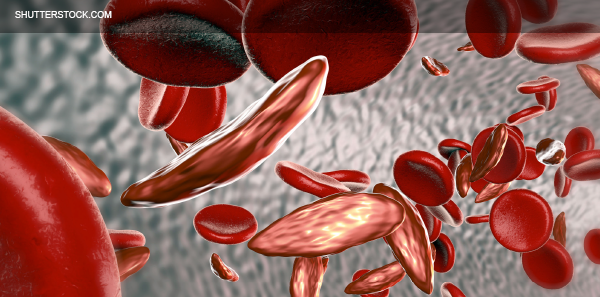
shutterstock.com

Prescription opioids are also a cornerstone of SCD pain management, and people with SCD must still have access to this class of medications. However, limiting opioid prescriptions written from the emergency department is a practice I support. To be clear, I firmly believe that people living with SCD should have ready access to prescription opioids at home. However, prescription opioids are an extremely dangerous class of medication, they have side effects, they are habit-forming, and they place patients at risk for addiction. While IV opioids given during an ED visit cannot be diverted or sold, prescriptions can. Having SCD means patients have a legitimate indication for accessing large quantities of opioids over long periods. In today’s climate, it is appropriate to recommend that such an individual receive medication from one provider who has the capability and knowledge to appropriately monitor the patient. It is our responsibility to maximize access to knowledgeable SCD providers so that patients can acquire these medications without the need for an ED visit.

You Might Also Like
  • Manage Sickle Cell Pain in the Emergency Department
  • ACEP Teams Up to Improve ED Sickle Cell Disease Care
  • Pearls for Treating Patients with Sickle Cell Disease
Explore This Issue
ACEP Now: Vol 36 – No 12 – December 2017

The prescription opioid crisis presents an opportunity for our specialty to learn and ultimately do better for our patients. Highly impactful research has shown that a single opioid prescription for more than 10 days’ duration is associated with long-term opioid use. Indeed, for minor pain we must be more parsimonious in our dispensation of opioids. However, for some conditions, SCD included, opioids are still indicated as first-line therapy. IV opioids given in the emergency department during acute SCD pain episodes play almost no role in facilitating the larger prescription opioid crisis, and we should continue to use them aggressively until disease-modifying SCD therapies render opioids obsolete.


Dr. Glassberg is assistant professor of emergency medicine, hematology, and medical oncology and associate director of the Mount Sinai Comprehensive Sickle Cell Program at the Icahn School of Medicine at Mount Sinai in New York.

References

  1. Glassberg JA, Tanabe P, Chow A, et al. Emergency provider analgesic practices and attitudes toward patients with sickle cell disease. Ann Emerg Med. 2013;62(4):293-302.e10.
  2. Koch KL, Karafin MS, Simpson P, et al. Intensive management of high-utilizing adults with sickle cell disease lowers admissions. Am J Hematol. 2015;90(3):215-219.

Pages: 1 2 | Single Page

Topics: AddictionDrug AbuseDrug UseEmergency DepartmentEmergency MedicineEmergency PhysiciansOpioid CrisisOpioidsPain & Palliative CarePatient CarePublic HealthSickle Cell

Related

  • Opinion: Physicians Must Reduce Plastic Waste

    December 4, 2025 - 0 Comment
  • Let Core Values Help Guide Patient Care

    November 5, 2025 - 0 Comment
  • Event Medicine: Where Fun and Safety Sing in Perfect Harmony

    October 9, 2025 - 1 Comment

Current Issue

ACEP Now: November 2025

Download PDF

Read More

No Responses to “Are Opioids for Sickle Cell Disease Appropriate, or Do They Enable Addiction?”

Leave a Reply Cancel Reply

Your email address will not be published. Required fields are marked *


*
*


Wiley
  • Home
  • About Us
  • Contact Us
  • Privacy
  • Terms of Use
  • Advertise
  • Cookie Preferences
Copyright © 2025 by John Wiley & Sons, Inc. All rights reserved, including rights for text and data mining and training of artificial technologies or similar technologies. ISSN 2333-2603
