
Hospital occupancy demands are projected to substantially increase over the next seven years from 75 percent to 85 percent.1 There are many reasons for this increasing demand, including the aging “Baby Boomer bubble.” However, the increasing demand is occurring during a period when hospitals are “going the other way.”
Explore This Issue
ACEP Now: June 2025 (Digital)A growing numbers of U.S. hospitals are closing inpatient beds for a variety of reasons, including inability to find staff to keep those beds open, resulting in a worsening crisis and evolving bed shortage.1,2 From May 2023 to April 2024, “staffed” hospital beds have decreased from 802,000 to 674,000 nationwide. All this is occurring as increasing numbers of current doctors, nurses, health care workers, and other bright young minds turn away from “hands-on” health care to seek other professions.3
What Does This Mean?
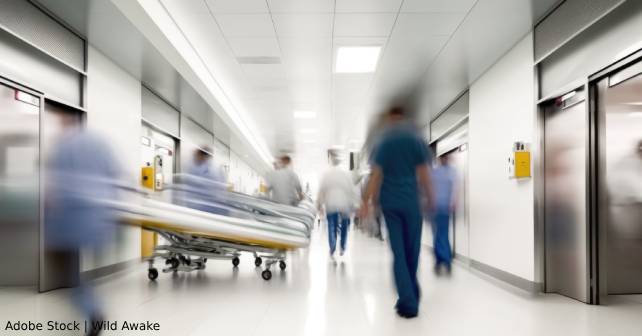
Boarding of hospital patients in emergency departments (EDs) will increase and worsen. Boarding is when “admitted” patients are placed in stretchers or beds in ED or hospital hallways, lobbies, waiting rooms, or other areas because of the lack of available inpatient beds. Patients may “reside” there for hours, days, or even their entire “inpatient” hospital stay.
EDs, the last “open door” to the hospital, will become further overrun and overwhelmed, struggling to adequately care for both ED and an increasing numbers of these “admitted” patients. EDs—the last bastion in the “safety net” of the U.S. health care system—continue to unravel.
With trust in the health care system already at an all-time low, patients will become even more outraged and disaffected at these continually worsening conditions, adding to already increasing costs, perceived worsening service, delays, and access denials.4-6 Assaults and violence toward the “system” will continue and accelerate, but will most frequently continue to target those who are the most “accessible,”, “vulnerable,” and “convenient:”—health care workers in the ED.7
Health care is already recognized as the most dangerous profession in the United States because of assaults and violence, with health care workers five times more likely to be assaulted on the job than any other U.S. profession.8,9
A Vicious Cycle
Meanwhile, hospitals and health care systems, increasingly corporate and owing “fealty” to shareholders and bondholders, are being pushed more than ever to “show a profit” and cut costs. They will, in turn, continue to push doctors, nurses, and other workers left in the system to increase productivity and volume. This will occur while providing them with fewer resources, thus, further overwhelming and disheartening those workers who are left staffing our EDs, clinics, and hospitals.
Pages: 1 2 3 | Single Page



No Responses to “Opinion: Demand Up, Beds Down—The Emergency Dept. Crowding Crisis”