

I gained this experience with parliamentary procedure first-hand these past two years as your Vice Speaker from working with our Speaker, Council parliamentarian, and ACEP staff. This service has provided me with the knowledge and expertise to facilitate balanced and efficient debate as your next Council Speaker.
Explore This Issue
ACEP Now: July 2025COUNCIL VICE SPEAKER
Candidates for ACEP Council Vice Speaker responded to this prompt:
How do you balance free and open debate versus
meeting efficiency?
Kurtis A. Mayz, JD, MD, MBA, FACEP
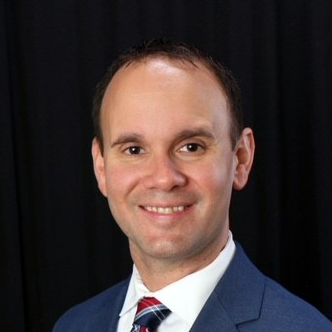 Current Professional Positions: Chairman of Pediatric Emergency Medicine; Medical Director, Pediatric Emergency Center, Saint Francis Hospital, Tulsa, Okla.
Internships and Residency: Emergency Medicine Residency, Stony Brook University Medical Center, Chief Resident (2014); Emergency Medicine, Patient Safety and Quality Improvement Pediatric Emergency Medicine Fellowship, University of Michigan Health System (2016)
Medical Degree: MD, University of Illinois, Champaign-Urbana (2011); JD and MBA also earned as part of Medical Scholars Program, University of Illinois
Response: The first key to balancing free and open debate and meeting efficiency is realizing that not all debate has to occur on the Council floor, and effectively using processes that allow us to discuss issues before the Council meeting even begins. Encouraging the use of asynchronous testimony is instrumental in the success of the meeting and we should continue to develop this process further. Creation of Council workgroups on “hot button” issues could help facilitate resolution development and help limit the sometimes-duplicative nature of resolutions.
In doing so, we create a more contemplative environment where ideas can be more thoroughly vetted and refined prior to the Council meeting, with the goal of a more streamlined and efficient meeting. This process also assists smaller Chapters and Sections with limited representation in ensuring that their voices can be heard in a way that is sometimes more challenging in the traditional reference committee process.
Before the Council meeting, structuring the agenda so there is sufficient time for the anticipated business is key. Preparation before the Council, including having a strong working knowledge of the resolutions to be discussed and a sense of the areas of contention which might be addressed, can prepare the presiding officer to efficiently handle the debate.
During the Council meeting, the presiding officer must create a safe environment that encourages open dialogue and balanced participation, while keeping the Council on task. Knowledge of parliamentary procedure, maintaining impartiality, and collaboration with the parliamentarian also guides the efficiency of this process. For example, more effective use of the consent agenda, and education on its use, could help with meeting efficiency. As a registered parliamentarian, I can facilitate this. As the presiding officer, I will help guide discussions through active listening and the ability to summarize and clarify points that will move the discussion forward. I will guide Councillors to remain professional, respectful, and factual in their discussions.



No Responses to “Meet the 2025 ACEP President-Elect, Board of Directors, and Council Candidates”