Logo

Log In Sign Up |  An official publication of: American College of Emergency Physicians
Navigation
  • Home
  • Multimedia
    • Podcasts
    • Videos
  • Clinical
    • Airway Managment
    • Case Reports
    • Critical Care
    • Guidelines
    • Imaging & Ultrasound
    • Pain & Palliative Care
    • Pediatrics
    • Resuscitation
    • Trauma & Injury
  • Career
    • Practice Management
      • Reimbursement & Coding
      • Legal
      • Operations
    • Awards
    • Certification
    • Early Career
    • Education
    • Leadership
    • Profiles
    • Retirement
    • Work-Life Balance
  • Compensation Reports
  • Columns
    • ACEP4U
    • Airway
    • Benchmarking
    • By the Numbers
    • EM Cases
    • End of the Rainbow
    • Equity Equation
    • FACEPs in the Crowd
    • Forensic Facts
    • From the College
    • Kids Korner
    • Medicolegal Mind
    • Opinion
      • Break Room
      • New Spin
      • Pro-Con
    • Pearls From EM Literature
    • Policy Rx
    • Practice Changers
    • Problem Solvers
    • Residency Spotlight
    • Resident Voice
    • Skeptics’ Guide to Emergency Medicine
    • Sound Advice
    • Special OPs
    • Toxicology Q&A
    • WorldTravelERs
  • Resources
    • mTBI Resource Center
    • ACEP.org
    • ACEP Knowledge Quiz
    • CME Now
    • Annual Scientific Assembly
      • ACEP14
      • ACEP15
      • ACEP16
      • ACEP17
      • ACEP18
      • ACEP19
    • Annals of Emergency Medicine
    • JACEP Open
    • Emergency Medicine Foundation
  • Issue Archives
  • Archives
    • Brief19
    • Coding Wizard
    • Images in EM
    • Care Team
    • Quality & Safety
  • About
    • Our Mission
    • Medical Editor in Chief
    • Editorial Advisory Board
    • Awards
    • Authors
    • Article Submission
    • Contact Us
    • Advertise
    • Subscribe
    • Privacy Policy
    • Copyright Information

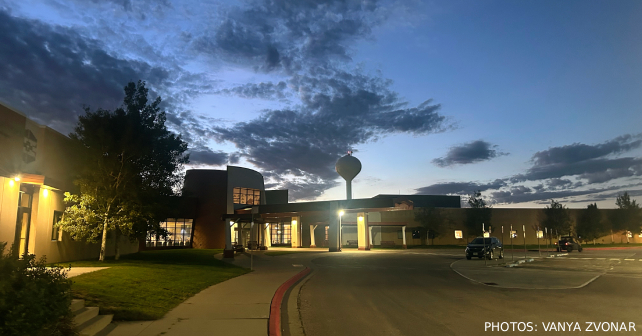
Lessons Learned at Cheyenne River Health Center

By Vanya Zvonar, MD | on January 9, 2026 | 0 Comment
Resident Voice
Share:  Print-Friendly Version

Dr. Bormann also discussed the educational value that residents add to the hospital. “When learners are in an environment it elevates the level of scholarship in that facility. The people who are teaching have to be up to date on their knowledge and have the ability to teach. That drives the infrastructure around scholarship for everybody.”

You Might Also Like
  • What’s in The Drug Pipeline These Days?
  • Opinion: Single Payer Health Care Would Be Detrimental to Emergency Physicians
  • Experiencing Wilderness Medicine at New River Gorge
Explore This Issue
ACEP Now: January 2026

Before coming to Eagle Butte, Dr. Jimenez stressed that physicians need to have cultural sensitivity and awareness. “You have to consider the respect we have to provide to our patients. You are coming as a foreigner to their land and must think about how to present yourself for them to trust you.”

Dr. Bormann suggested that “residents should at least have done some reading on cultural humility. When you come into our environment, you get a sense for people’s beliefs. For example, there is a certain subset of patients who do not prefer to engage in Western medicine and take care of themselves through Lakota spirituality and ceremony. Respecting those choices is a different mindset. We can see them as noncompliant, but they are not a bad patient. They just have a different belief system.”

Dr. Bormann and Dr. Jimenez’s words and advice perfectly summarize the incredible exposure this rotation offers to residents like me for the experience of working in a rural setting and at an IHS site. It was a pleasure to learn from them and the community, and I hope to return in the coming years.

I would like to thank the staff at the Cheyenne River Health Center for welcoming me into their hospital. It was a privilege to visit and work in the emergency department and learn from the staff and the patients. I would also like to thank Dr. John Rozehnal, who leads the Mount Sinai Hospital partnership, for allowing me to accompany him during his week of shifts and providing me with an abundance of knowledge outside of our usual New York City home.
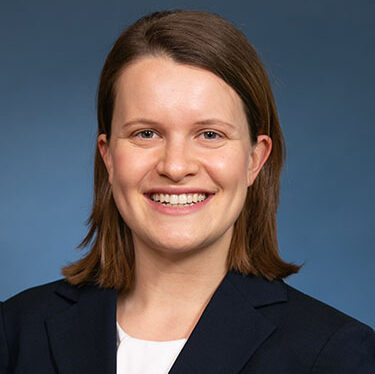

Dr. Zvonar is a third-year resident at The Mount Sinai-Elmhurst Emergency Residency Program in New York City. Her interests include medical education, immigrant and refugee health, and global health.


References

  1. Indian Health Service. Indian Health Service Health Equity Report. Published 2024. Accessed October 5, 2025. https://www.ihs.gov/sites/newsroom/themes/responsive2017/display_objects/documents/factsheets/IHS_Health_Equity_Report_FactSheet_2024.pdf.
  2. Census Reporter: Eagle Butte, SD. Census Reporter Web site. https://censusreporter.org/profiles/16000US4617620-eagle-butte-sd/. Accessed October 5, 2025.

Pages: 1 2 3 | Single Page

Topics: Cultural SensitivityIndian Health ServiceResidentRural

Related

  • Are Hospital On-Call Services Still Sustainable?

    February 3, 2026 - 0 Comment
  • ACEP Now’s Top Five Articles of 2025

    December 22, 2025 - 0 Comment
  • Overcoming Language Barriers in the Emergency Department

    October 21, 2025 - 1 Comment

Current Issue

ACEP Now: February 2026 (Digital)

Read More

No Responses to “Lessons Learned at Cheyenne River Health Center”

Leave a Reply Cancel Reply

Your email address will not be published. Required fields are marked *


*
*


Wiley
  • Home
  • About Us
  • Contact Us
  • Privacy
  • Terms of Use
  • Advertise
  • Cookie Preferences
Copyright © 2026 by John Wiley & Sons, Inc. All rights reserved, including rights for text and data mining and training of artificial technologies or similar technologies. ISSN 2333-2603