
Explore This Issue
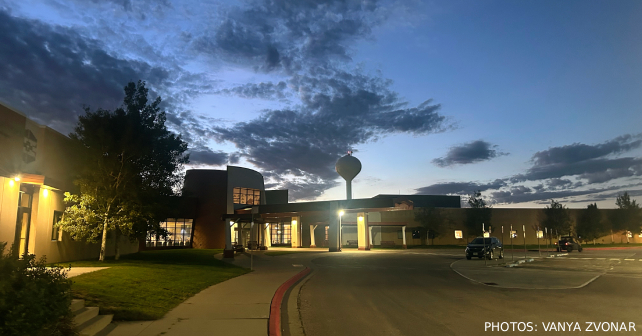
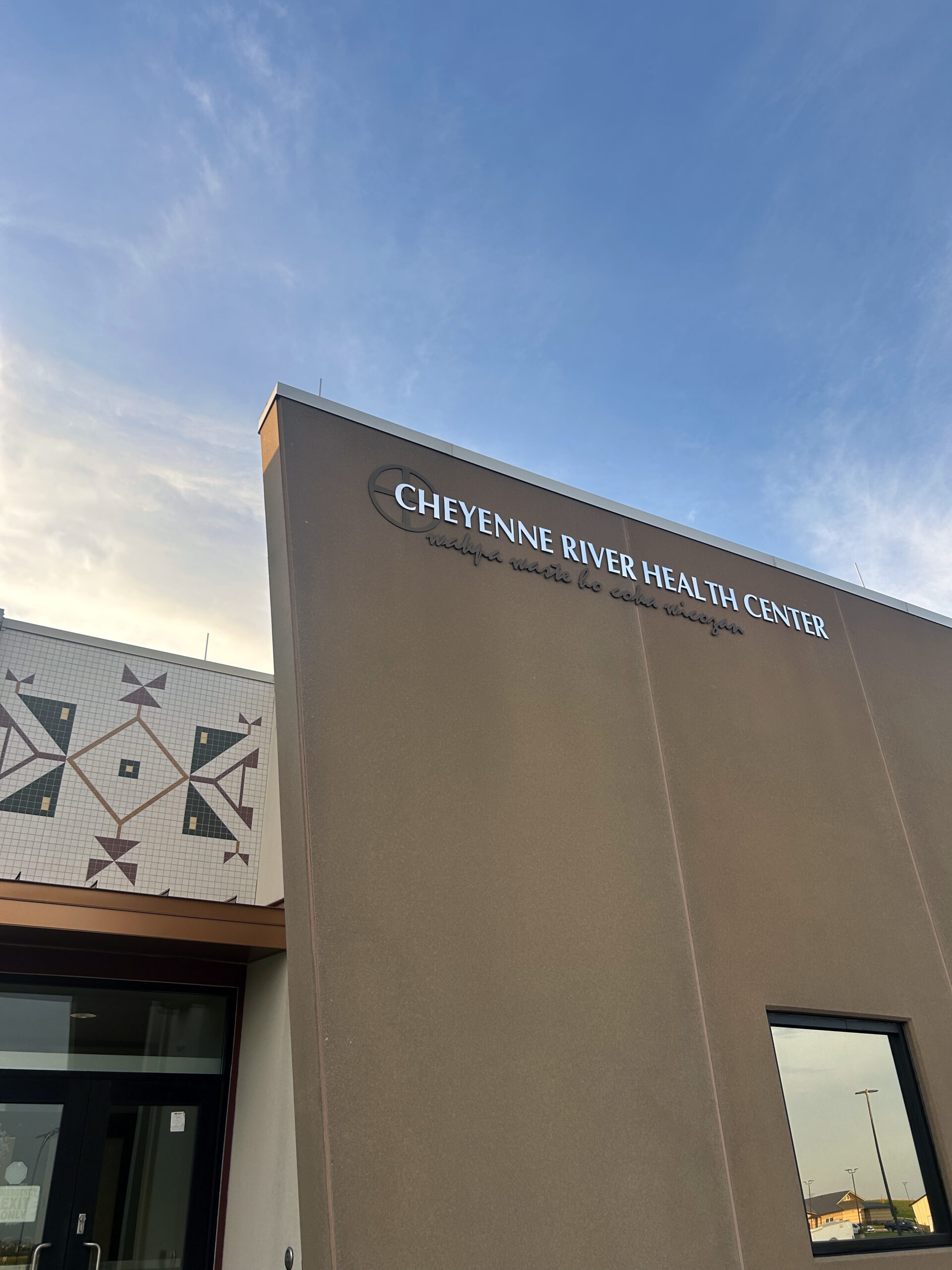
ACEP Now: January 2026The Cheyenne River Health Center is part of the Indian Health Service network of hospitals, clinics and health stations on or near American Indian reservations. (Click to enlarge.)
My time there was much too brief, as part of an established rotation residents at my residency program can join, accompanying attendings who work out at Eagle Butte one week at a time throughout the year.
Yeisabeth Jimenez, MD, the acting emergency department director, told me about her vision for visiting residents and the value of the rotation. Dr. Jimenez emphasized the importance of being exposed to medicine at an IHS hospital and understanding the mission to provide excellent care to Native American communities. “You may see Native American patients at your hospital, but if you do not come to the reservation, you will not see and understand challenges they face daily: transportation issues, socioeconomic issues, children who cannot be fed at home, parents under the influence of drugs with a neglected child, grandparents taking care of kids.”
Teresa Bormann, MD, the clinical director, echoed this sentiment. “The system you are working within is much different than a private health system,” she told me as she discussed the value of being immersed in a different health system. “There are different rules about [the] care you give and how you go about giving that care.”
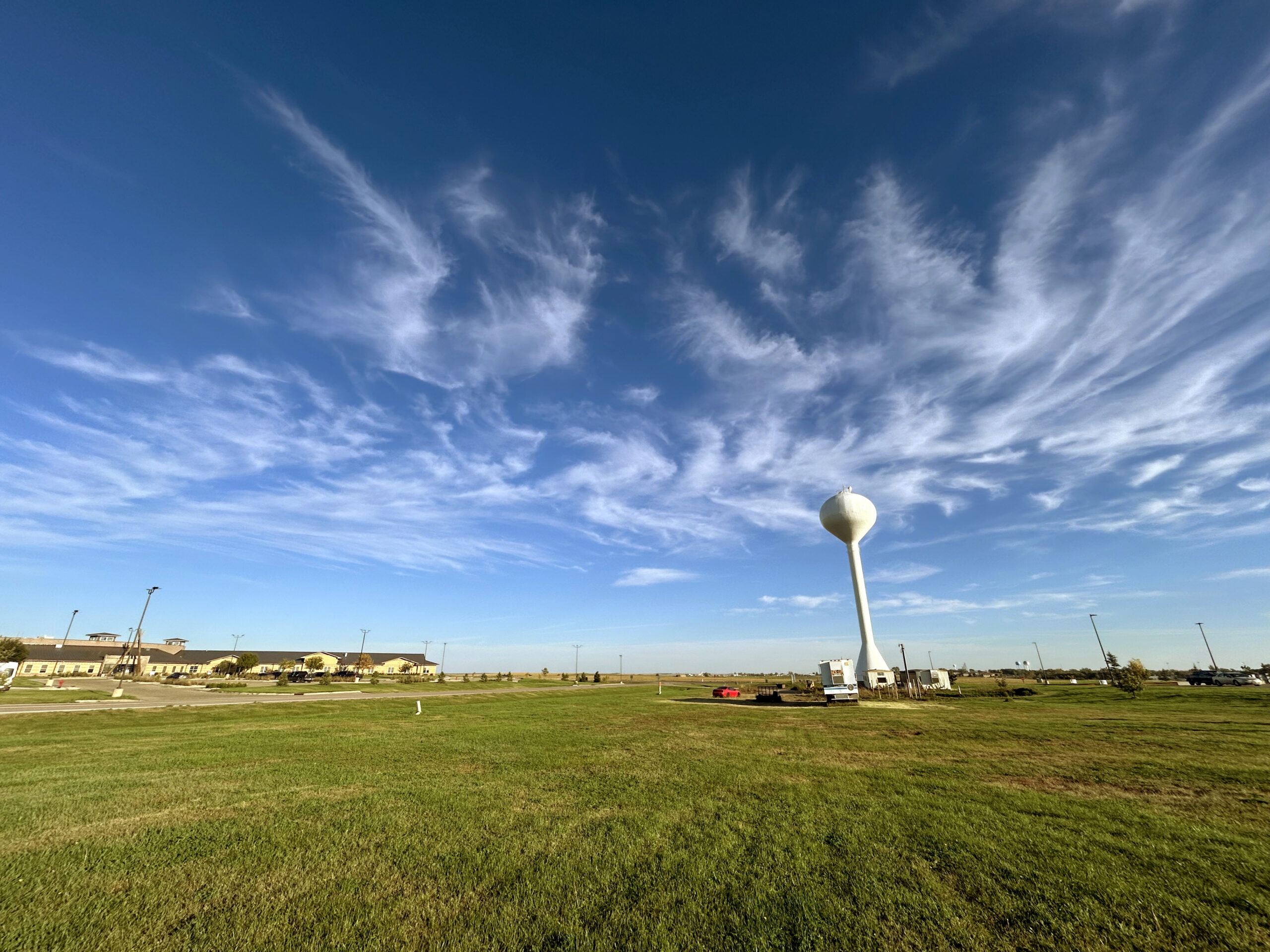
The view from the Cheyenne River Health Center. (Click to enlarge.)
Dr. Bormann reinforced the value of residents seeing rural medicine and how the emergency department functions with limited resources. “The biggest thing is how to care for patients when you do not have all the specialty services around you. There is a different decision making skillset [that] you develop.”
Dr. Jimenez agreed that in this type of environment, “You need to know, and you need to be prepared….We do not have surgery; we do not have respiratory therapy. In the case of trauma, be ready to stabilize your patient and transfer them. You might not expect your biggest challenge of the day to be finding an accepting hospital that is not on diversion.”
Dr. Bormann stressed the fact that exposing residents to rural medicine is key as it can change career paths and where they choose to practice. “Having residents come [here] is very helpful as they get to understand what it is like to live and work in a rural environment. Learners who come to a location are more likely to return to work there in the future. They might consider working for IHS later in their career.”
Pages: 1 2 3 | Single Page


No Responses to “Lessons Learned at Cheyenne River Health Center”