
Case
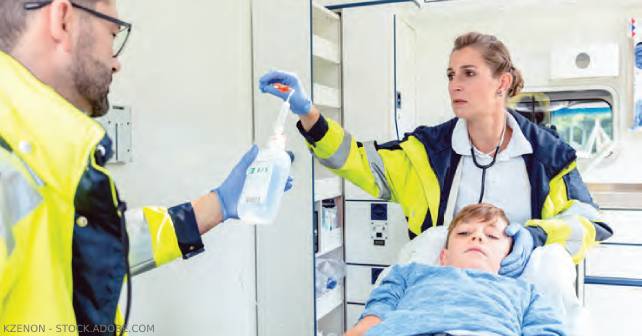
A four-year-old male is brought via EMS for diabetic ketoacidosis (DKA). The EMS technician expresses frustration because this is the third time in four months that she has transported the child for DKA.
Explore This Issue
ACEP Now: Vol 42 – No 11 – November 2023Discussion
In 2021, 588,229 children were the victims of child abuse and neglect.1 Neglect is the most common form of child abuse, comprising 76 percent of cases. Neglect can be classified as follows:2
- Physical neglect: Failure to provide adequate food, clothing, or shelter, and inadequate supervision
- Emotional neglect: Failure to provide love, attention, and security
- Educational neglect: Failure to enroll the child in school, and truancy without a medical cause
- Medical neglect: Failure to seek medical care or nonadherence with health care recommendations, resulting in actual or potential harm to the child
In the U.S., medical neglect accounts for approximately 2 percent of child-abuse cases. In these cases, either the caregivers fail to obtain medical care when the child has obvious signs of serious injury or illness, or they fail to follow through with recommended medical care once care has been sought. Emergency physicians have a unique opportunity to recognize these cases and to intervene, as medically neglected children may be brought to the ED once illness becomes severe.
Medical neglect should be considered when a child presents later in the course of a serious illness or injury than a “reasonable person” would have sought care. It should also be considered when a child presents with illness that would not have occurred had caregivers followed through with previously recommended care. The child’s condition must pose a risk of significant harm, and the recommended treatment’s benefit must outweigh its risks and side effects for medical neglect to be diagnosed. In the case above, the child is known to have insulin dependent diabetes, which poses a significant risk of harm if left untreated.
Caregivers may neglect the medical care of children for varied reasons. When medical neglect is suspected or diagnosed, emergency physicians should seek to determine the reason for medical neglect, as targeted interventions are most likely to be effective. Families under financial stress may find it difficult to afford appointments and medications. Caregivers may not be able to provide transportation to appointments. Caregivers may not be able to take time off work for appointments, or appointments may not be readily available. Language barriers may make obtaining medical care difficult. Families may lack medical knowledge, not understanding the severity of illness or how to treat a sick child. Children with caregivers impaired by addiction or mental illness may be at higher risk for medical neglect. The recent pandemic demonstrated a significant lack of trust in the healthcare system which may make parents hesitant to seek medical care for their children.
Pages: 1 2 3 | Single Page



One Response to “How To Identify and Work With Neglected Children in the ED”
November 5, 2023
Edward Walkley MD FACEP FAAPAs a retired PEM physician I want the thank the authors for this excellent reminder that child abuse and neglect includes medical neglect. With today’s fractured and fragmented care the ED is often the only common point of care for these children. Keep alert to physical signs of abuse and neglect. But also take a few minutes too review the EMR when dealing with frequent flyers with chronic medical conditions.