Logo

Log In Sign Up |  An official publication of: American College of Emergency Physicians
Navigation
  • Home
  • Multimedia
    • Podcasts
    • Videos
  • Clinical
    • Airway Managment
    • Case Reports
    • Critical Care
    • Guidelines
    • Imaging & Ultrasound
    • Pain & Palliative Care
    • Pediatrics
    • Resuscitation
    • Trauma & Injury
  • Resource Centers
    • mTBI Resource Center
  • Career
    • Practice Management
      • Benchmarking
      • Reimbursement & Coding
      • Care Team
      • Legal
      • Operations
      • Quality & Safety
    • Awards
    • Certification
    • Compensation
    • Early Career
    • Education
    • Leadership
    • Profiles
    • Retirement
    • Work-Life Balance
  • Columns
    • ACEP4U
    • Airway
    • Benchmarking
    • Brief19
    • By the Numbers
    • Coding Wizard
    • EM Cases
    • End of the Rainbow
    • Equity Equation
    • FACEPs in the Crowd
    • Forensic Facts
    • From the College
    • Images in EM
    • Kids Korner
    • Medicolegal Mind
    • Opinion
      • Break Room
      • New Spin
      • Pro-Con
    • Pearls From EM Literature
    • Policy Rx
    • Practice Changers
    • Problem Solvers
    • Residency Spotlight
    • Resident Voice
    • Skeptics’ Guide to Emergency Medicine
    • Sound Advice
    • Special OPs
    • Toxicology Q&A
    • WorldTravelERs
  • Resources
    • ACEP.org
    • ACEP Knowledge Quiz
    • Issue Archives
    • CME Now
    • Annual Scientific Assembly
      • ACEP14
      • ACEP15
      • ACEP16
      • ACEP17
      • ACEP18
      • ACEP19
    • Annals of Emergency Medicine
    • JACEP Open
    • Emergency Medicine Foundation
  • About
    • Our Mission
    • Medical Editor in Chief
    • Editorial Advisory Board
    • Awards
    • Authors
    • Article Submission
    • Contact Us
    • Advertise
    • Subscribe
    • Privacy Policy
    • Copyright Information

FOAMed appeal is simple: Get more, pay nothing

By Jeremy Samuel Faust, MD, MS, MA, FACEP | on February 1, 2013 | 0 Comment
Opinion
  • Tweet
  • Click to email a link to a friend (Opens in new window) Email
Print-Friendly Version

When a new podcast episode reaches iTunes, a Tweet goes out. When someone gives a talk and posts it on YouTube, a Tweet goes out. When someone finds an interesting paper and wants others’ opinions, a Tweet goes out. But it does not end with an announcement into the ether.

You Might Also Like
  • Medical Conversations are on Twitter, not Facebook, and That’s Good
  • The medium is the message
  • FOAM Podcasts Introduce Readers to Benefits of Multimedia Learning
Explore This Issue
ACEP News: Vol 32 – No 02 – February 2013

This is where the game change is: As far as FOAM use goes, Twitter can best be described as a 24-hour-per-day conversation by and for people who care and are well-informed about emergency medicine. Twitter is where FOAM became a community of people, constantly interacting and educating each other, all in the same place, playing by the same rules. Ideas come at all levels, from medical students, to residents, fellows, and attendings all the way up the line to the most influential thought leaders in the field. The 140-character limit stifles diatribes and monologues while facilitating genuine conversation. Amazingly, this process is how I came to have pancakes in Denver with Dr. Scott Weingart (yes, he teaches in my residency, but I’m the only one with this claim to fame) and a handful of FOAM giants.

If research is organized curiosity, FOAM is asynchronous learning on steroids. Why? Because virtually every person consistently contributing content is available and willing to answer questions from anyone, defend positions, and – dare I say it – admit it when they are wrong.

People are learning from each other and unlike in the past, FOAM means that asynchronous learning no longer has to be a solo endeavor. And the central locale increasingly is Twitter. People still write emails to authors and content creators, and still post on message boards on blogs. But if you want a vast array of opinions on any topic, one Tweet can reach thousands of people in an instant.

The replies come in faster than you could get to the bibliography on uptodate.com and often contain direct links to evidence-based medicine papers. Twitter has replaced many users’ journal watches. The ensuing debates happen months before letters to the editor can be published in the Annals.

Why do people create FOAM content? For the same reason they give talks. But unlike live talks, FOAM in any of its forms can be accessed anytime, anywhere, by anyone for as long as the link works. And the audience is the type that educators want. People utilizing FOAM do so because they have genuine interest.

Pages: 1 2 3 | Single Page

Topics: ACEPAmerican College of Emergency PhysiciansEducationEmergency MedicineEmergency PhysicianPractice TrendsResidentResident's VoiceSocial Media

Related

  • FACEPs in the Crowd: Dr. John Ludlow

    November 5, 2025 - 0 Comment
  • ACEP4U: the ACEP/CORD Teaching Fellowship

    November 4, 2025 - 0 Comment
  • Overcoming Language Barriers in the Emergency Department

    October 21, 2025 - 0 Comment

Current Issue

ACEP Now: November 2025

Download PDF

Read More

About the Author

Jeremy Samuel Faust, MD, MS, MA, FACEP

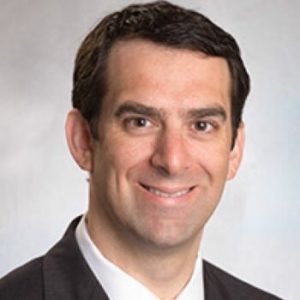
Jeremy Samuel Faust, MD, MS, MA, FACEP, is Medical Editor in Chief of ACEP Now, an instructor at Harvard Medical School and an attending physician in department of emergency medicine at Brigham & Women’s Hospital in Boston. Follow him on twitter @JeremyFaust.

View this author's posts »

No Responses to “FOAMed appeal is simple: Get more, pay nothing”

Leave a Reply Cancel Reply

Your email address will not be published. Required fields are marked *


*
*


Wiley
  • Home
  • About Us
  • Contact Us
  • Privacy
  • Terms of Use
  • Advertise
  • Cookie Preferences
Copyright © 2025 by John Wiley & Sons, Inc. All rights reserved, including rights for text and data mining and training of artificial technologies or similar technologies. ISSN 2333-2603