Logo

Log In Sign Up |  An official publication of: American College of Emergency Physicians
Navigation
  • Home
  • Multimedia
    • Podcasts
    • Videos
  • Clinical
    • Airway Managment
    • Case Reports
    • Critical Care
    • Guidelines
    • Imaging & Ultrasound
    • Pain & Palliative Care
    • Pediatrics
    • Resuscitation
    • Trauma & Injury
  • Resource Centers
    • mTBI Resource Center
  • Career
    • Practice Management
      • Benchmarking
      • Reimbursement & Coding
      • Care Team
      • Legal
      • Operations
      • Quality & Safety
    • Awards
    • Certification
    • Compensation
    • Early Career
    • Education
    • Leadership
    • Profiles
    • Retirement
    • Work-Life Balance
  • Columns
    • ACEP4U
    • Airway
    • Benchmarking
    • Brief19
    • By the Numbers
    • Coding Wizard
    • EM Cases
    • End of the Rainbow
    • Equity Equation
    • FACEPs in the Crowd
    • Forensic Facts
    • From the College
    • Images in EM
    • Kids Korner
    • Medicolegal Mind
    • Opinion
      • Break Room
      • New Spin
      • Pro-Con
    • Pearls From EM Literature
    • Policy Rx
    • Practice Changers
    • Problem Solvers
    • Residency Spotlight
    • Resident Voice
    • Skeptics’ Guide to Emergency Medicine
    • Sound Advice
    • Special OPs
    • Toxicology Q&A
    • WorldTravelERs
  • Resources
    • ACEP.org
    • ACEP Knowledge Quiz
    • Issue Archives
    • CME Now
    • Annual Scientific Assembly
      • ACEP14
      • ACEP15
      • ACEP16
      • ACEP17
      • ACEP18
      • ACEP19
    • Annals of Emergency Medicine
    • JACEP Open
    • Emergency Medicine Foundation
  • About
    • Our Mission
    • Medical Editor in Chief
    • Editorial Advisory Board
    • Awards
    • Authors
    • Article Submission
    • Contact Us
    • Advertise
    • Subscribe
    • Privacy Policy
    • Copyright Information

Emergency Physicians Urged Not to Prescribe New Opioid, Zohydro ER, Given High Potential for Abuse

By Frank LoVecchio, DO, MPH, FACEP | on June 10, 2014 | 1 Comment
Features
  • Tweet
  • Click to email a link to a friend (Opens in new window) Email
Print-Friendly Version
Zohydro ER

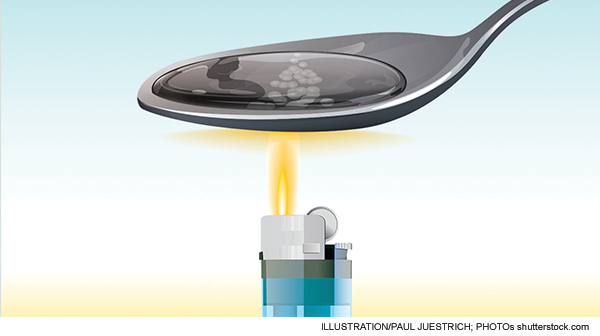
Zohydro ER has been heavily criticized for lacking safeguards that would diminish abuse potential. In its current form, Zohydro ER can be easily crushed, snorted, or injected. Zohydro ER is only currently available in capsule form; hence, it can easily be opened, making pure hydrocodone available. Critics of the drug’s approval suggest that it should have included an “abuse-deterrent” formulation, such as additives like naloxone or niacin that cause unwanted side effects when the drug is snorted or injected but are tolerable when taken orally as prescribed. Zohydro ER does not contain any ingredients that would safeguard against abuse. In the companies’ defense, these additives seem logical but have not been a proven deterrent to abuse.

You Might Also Like
  • Congress Questions Ethics Behind FDA Approval of Zohydro ER
  • Critics of Zohydro ER Approval Suspect Conflict of Interest with Pharmaceutical Industry
  • FDA Panel Backs Teva’s Abuse-Resistant Opioid Painkiller
Explore This Issue
ACEP Now: Vol 33 – No 06 – June 2014

Purdue Pharma, the maker of Oxycontin, has completed testing of an abuse-resistant version of the painkiller hydrocodone. Purdue Pharma says it plans to submit its extended-release hydrocodone drug to the FDA in late 2014. It will be interesting to see if clinicians adopt this potentially safer formulation.4

What’s a Physician to Do?

As a practicing toxicologist, I err on the side of caution with adopting newer potent opiates. For example, this drug is potentially so potent that an opiate-naive patient could die of an overdose from just two to four pills and a toddler from one capsule. Following overdose or accidental ingestion, it is prudent for patients to undergo an extended observation period. In my opinion, such patients should be observed at least 12 hours, assuming no naloxone was used, until future data are collected.

In summary, the FDA approved Zohydro ER for the management of pain severe enough to require daily, around-the-clock long-term opioid treatment and for which alternative treatment options are inadequate. At least initially, if you prescribe this drug, be aware of this indication. Be aware that the peak may not occur for six hours in “normal” patients in “ideal” circumstances. Be aware that Zohydro ER is metabolized via P450 interactions P450 3A4, and drugs such as macrolides or azole antifungals that inhibit this cytochrome may increase hydrocodone levels. Be aware that ethanol and other CNS depressants potentiate the effect. Be aware that clearance is altered, namely decreased in patients with hepatic and renal disease (not further identified). An FDA-approved patient medication guide, which is available with the product information and can be accessed at www.fda.gov/downloads/Drugs/DrugSafety/UCM374009.pdf, must be dispensed with this medication. Currently, it is approved as a Schedule II drug and can only be dispensed through a physician’s written prescription, and no refills are allowed. There are also stringent recordkeeping, reporting, and physical security requirements for Schedule II controlled substances. Considering the risk-benefit ratio, is this too much to be aware of for one drug?

Pages: 1 2 3 | Single Page

Topics: AddictionDrug AbuseDrug ApprovalDrug SafetyEmergency DepartmentEmergency MedicineEmergency PhysicianFDAOpioidOpioid CrisisPainPatient SafetyPharmaceutical IndustryPrescriptionZohydro ER

Related

  • Q&A with ACEP President L. Anthony Cirillo

    November 5, 2025 - 0 Comment
  • Overcoming Language Barriers in the Emergency Department

    October 21, 2025 - 0 Comment
  • Event Medicine: Where Fun and Safety Sing in Perfect Harmony

    October 9, 2025 - 1 Comment

Current Issue

ACEP Now: November 2025

Download PDF

Read More

One Response to “Emergency Physicians Urged Not to Prescribe New Opioid, Zohydro ER, Given High Potential for Abuse”

  1. March 27, 2019

    David Reply

    Doctors need to be aware of a patient’s true need for an Opioid drug. They need more training to determine a patient’s potential for abuse.

Leave a Reply Cancel Reply

Your email address will not be published. Required fields are marked *


*
*


Wiley
  • Home
  • About Us
  • Contact Us
  • Privacy
  • Terms of Use
  • Advertise
  • Cookie Preferences
Copyright © 2025 by John Wiley & Sons, Inc. All rights reserved, including rights for text and data mining and training of artificial technologies or similar technologies. ISSN 2333-2603
