
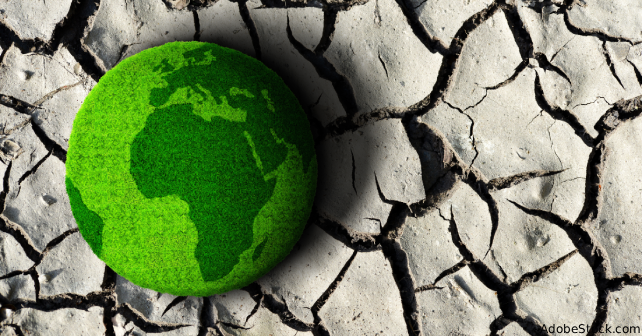
Physician advocacy has been instrumental in reducing tobacco-related mortality, preventing ozone layer degradation, reducing sugar consumption in the United States, and improving air quality. The blueprint exists for addressing climate change to improve public health.
Explore This Issue
ACEP Now: August 2025 (Digital)At the 2025 Medical Society Consortium on Climate and Health (MSCCH) in Washington, D.C., emergency physicians, doctors from several other medical specialties, and other health care professionals took another step toward this goal. Joining with leaders of governmental organizations and policymakers committed to address climate change issues, attendees and speakers discussed the next steps and importance of the movement. ACEP is a member society of MSCCH, which represents more than 700,000 physicians and health care professionals working for a healthier, safer, and fairer world.
Several ACEP members and emergency physicians regularly attend and participate in the annual meeting of the MSCCH.
A panel discussion on “Critical Research Needs in Climate, Health, and Planetary Health” featured ACEP member and co-author of this article Caitlin Rublee, MD, assistant professor of emergency medicine at the University of Colorado. The session discussed strategies for integrating diverse knowledge systems, including Indigenous ways of thinking, into research frameworks. It also examined how interdisciplinary research can inform policy solutions to address the climate crisis and its health effects.
In another session, Stefan Wheat, MD, assistant professor of emergency medicine at the University of Washington School of Medicine, moderated a panel discussion on “Community-Centered Programs for Education on Climate and Health,” which highlighted opportunities for health professionals to engage for improved preparedness at a community level.
Translating Science Into Action
The fourth and final day of the conference featured Congressional visits.
Although the halls of Congress are far from the bedside, the skills needed to navigate conversations with legislators are familiar to physicians: eliciting priorities and concerns, sharing stories and experiences, and translating science into action.
Conversations with staffers began with questions about climate change but often evolved into conversations around related systemic issues. For example, one staffer working on health care issues was curious about ambulance shortages, an issue that exacerbates existing inequities in accessing care. This is especially critical during climate-related events such as heatwaves and poor air quality days that force many patients with chronic conditions to seek care in the emergency department.



No Responses to “Emergency Physicians Advocate Addressing Climate Change To Improve Public Health”