Logo

Log In Sign Up |  An official publication of: American College of Emergency Physicians
Navigation
  • Home
  • Multimedia
    • Podcasts
    • Videos
  • Clinical
    • Airway Managment
    • Case Reports
    • Critical Care
    • Guidelines
    • Imaging & Ultrasound
    • Pain & Palliative Care
    • Pediatrics
    • Resuscitation
    • Trauma & Injury
  • Resource Centers
    • mTBI Resource Center
  • Career
    • Practice Management
      • Benchmarking
      • Reimbursement & Coding
      • Care Team
      • Legal
      • Operations
      • Quality & Safety
    • Awards
    • Certification
    • Compensation
    • Early Career
    • Education
    • Leadership
    • Profiles
    • Retirement
    • Work-Life Balance
  • Columns
    • ACEP4U
    • Airway
    • Benchmarking
    • Brief19
    • By the Numbers
    • Coding Wizard
    • EM Cases
    • End of the Rainbow
    • Equity Equation
    • FACEPs in the Crowd
    • Forensic Facts
    • From the College
    • Images in EM
    • Kids Korner
    • Medicolegal Mind
    • Opinion
      • Break Room
      • New Spin
      • Pro-Con
    • Pearls From EM Literature
    • Policy Rx
    • Practice Changers
    • Problem Solvers
    • Residency Spotlight
    • Resident Voice
    • Skeptics’ Guide to Emergency Medicine
    • Sound Advice
    • Special OPs
    • Toxicology Q&A
    • WorldTravelERs
  • Resources
    • ACEP.org
    • ACEP Knowledge Quiz
    • Issue Archives
    • CME Now
    • Annual Scientific Assembly
      • ACEP14
      • ACEP15
      • ACEP16
      • ACEP17
      • ACEP18
      • ACEP19
    • Annals of Emergency Medicine
    • JACEP Open
    • Emergency Medicine Foundation
  • About
    • Our Mission
    • Medical Editor in Chief
    • Editorial Advisory Board
    • Awards
    • Authors
    • Article Submission
    • Contact Us
    • Advertise
    • Subscribe
    • Privacy Policy
    • Copyright Information

Emergency Medicine Leaders Discuss How Democratic Groups Manage Scale, Consolidation

By ACEP Now | on November 18, 2015 | 0 Comment
Features Opinion
  • Tweet
  • Click to email a link to a friend (Opens in new window) Email
Print-Friendly Version
Emergency Medicine Leaders Discuss Pros, Cons of Democratic Group Practices

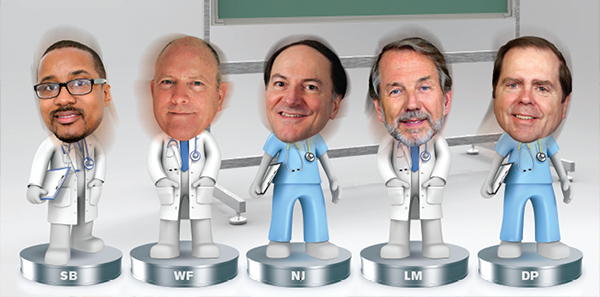
WF: That’s a really fascinating topic. Jeff Selevan is a good friend of mine, and he recently retired as the CFO of Southern California Permanente, which in its own right is a democratic partnership. It has 8.5 million members just in California. Jeff has said that consolidation is not integration, and I really, really think that’s true. One of the things that we will agree on is that we see a better future for health care and a better shot at achieving the triple aim with physician-driven cultures of care. I think the most important spirit of democracy, if it still matters, is one that results in more effective teams and engagement with physicians and other providers. I think one of the things we probably all believe is that practice models that aren’t pro integration, that aren’t willing to integrate and aren’t willing to change, probably won’t succeed. One of the dangers of democracy, especially on a smaller scale, is that if all you’re concerned about is the rights of individual partners or providers, and all they’re concerned about is voting their own self interest, you’re not necessarily going to get there.

You Might Also Like
  • Emergency Medicine Leaders Discuss Role of Democratic Groups in Future of EM
  • Emergency Medicine Leaders Discuss Pros, Cons of Democratic Group Practices
  • Emergency Medicine Leaders Discuss Drivers of Hospital Consolidation at ACEP15 Council Town Hall
Explore This Issue
ACEP Now: Vol 34 – No 11 – November 2015

Now, those of us that are large organizations, we believe in economies of scale, but most of us acknowledge that there are diseconomies of scale [forces that cause larger firms and governments to produce goods and services at increased per-unit costs], and there are some bureaucracies that all of us would like not to have. —Lynn Massingale, MD, FACEP

SB: The irony here is that by having so much consolidation we’re going to end up with a bunch of big practices. Not all of them are going to succeed, and some are going to have so much bureaucracy, they’re actually going to fail because of their size. I think what’s going to happen in the industry is we’re going to have a whole bunch of consolidations. We’re going to have a few really, really big people doing really well; a bunch of people in the middle not doing well; and some smaller groups that were actually small enough, facile enough, and nimble enough that they can outmaneuver everyone. You either have enough size that you can keep your costs down, or you’re going to be fast enough to take care of the patients quickly and efficiently so that you can make money that way. The people in the middle are going to do terrible.

Pages: 1 2 3 4 5 6 | Single Page

Topics: ACEPAmerican College of Emergency PhysiciansAmerican Medical AssociationDemocracyDemocratic GroupsEmergency MedicineEmergency PhysicianPractice ManagementPractice Trends

Related

  • Florida Emergency Department Adds Medication-Dispensing Kiosk

    November 7, 2025 - 1 Comment
  • Q&A with ACEP President L. Anthony Cirillo

    November 5, 2025 - 0 Comment
  • How Does Emergency Medicine Navigate Consolidation Trends in Health Care?

    October 29, 2025 - 0 Comment

Current Issue

ACEP Now: November 2025

Download PDF

Read More

About the Author

ACEP Now

View this author's posts »

No Responses to “Emergency Medicine Leaders Discuss How Democratic Groups Manage Scale, Consolidation”

Leave a Reply Cancel Reply

Your email address will not be published. Required fields are marked *


*
*


Wiley
  • Home
  • About Us
  • Contact Us
  • Privacy
  • Terms of Use
  • Advertise
  • Cookie Preferences
Copyright © 2025 by John Wiley & Sons, Inc. All rights reserved, including rights for text and data mining and training of artificial technologies or similar technologies. ISSN 2333-2603