
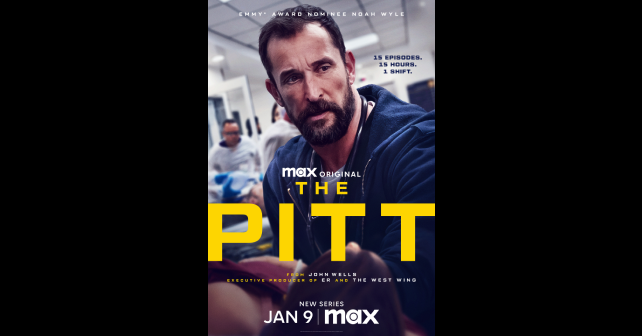
Audiences are responding. From first-year medical students to residents and attending physicians in emergency medicine, the show has sparked discussion, driven empathy, and even influenced real-time clinical decision-making. One clinician shared that she recognized a rare diagnosis described in a case presented in Episode 14. Another emergency physician said the show captured their experience during COVID-19 better than any documentary ever could.
Explore This Issue
ACEP Now: July 2025This is more than entertainment. This is education with a heartbeat.
From Trauma Bays to TV Scripts
Long before Dr. Sachs was rewriting the rules of public health education for television, he was charting a path that bridged science and storytelling. While studying at Stanford University School of Medicine, Dr. Sachs also pursued a master’s degree in filmmaking—an unusual combination that turned out to be prescient. After completing a combined residency in emergency medicine and internal medicine at UCLA, he began a part-time emergency medicine practice at Northridge Hospital Medical Center, Los Angeles, where he has worked for more than 30 years.
Dr. Sachs’ foray into Hollywood started in 1994 when he joined NBC’s “ER” as a technical advisor. He stayed with the groundbreaking series for its entire 15-season run, ultimately becoming executive producer and penning 35 episodes. He later worked on “Mercy, Off the Map,” and “NCIS: Los Angeles” before helping launch “The Pitt” in 2023.
Despite a rigorous production schedule—nine 12-hour days for a single 45-minute episode—Dr. Sachs remains grounded in medicine. He continues to work in urgent-care settings to maintain his clinical edge and gather real-world inspiration.
“Emergency medicine isn’t a hobby for me,” Dr. Sachs said. “It’s a passion. It feeds the creative process and keeps our stories authentic.”
The Power of Realism
Unlike the fast-paced, idealized drama of “ER,” “The Pitt” presents a more raw and contemporary view of a U.S. emergency department (ED). It’s been described as gritty, chaotic, and honest.
“We wanted to show the real issues: the boarding crisis, the pressure of waiting room medicine, the amazing teachers during rounds,” Dr. Sachs said.
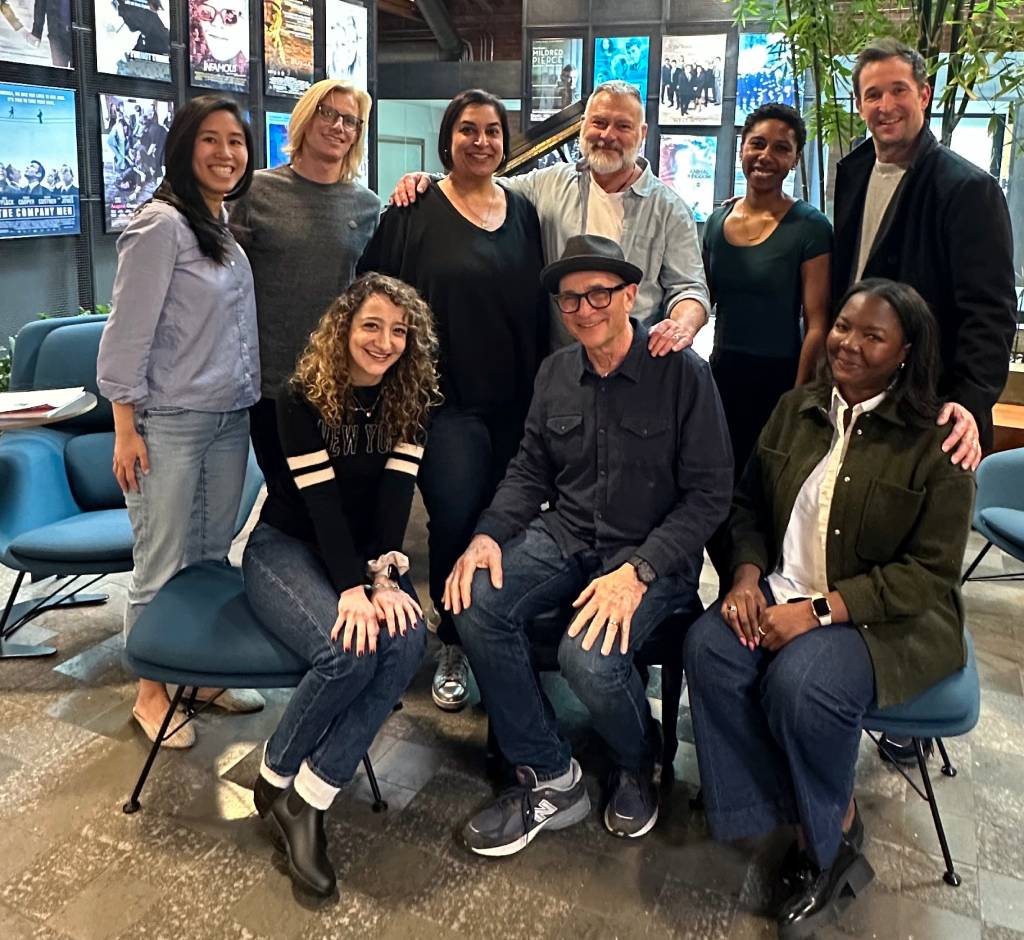
Behind the scenes with the creative minds of “The Pitt”: where medicine meets storytelling to educate, inspire, and heal. Dr. Joe Sachs is seated in the center with a hat. Standing in the second row, far right, is Noah Wyle, who plays Dr. Michael “Robby” Robinavitch. (Click to enlarge.)
To achieve that level of realism, the production brings in residency- trained, board-certified emergency physicians as technical advisors. These doctors undergo a 200-hour training session led by Sachs himself, and the show writers receive extensive medical briefings—up to 20 pages per episode. The goal is to get every detail right, from terminology to trauma choreography.
Pages: 1 2 3 4 | Single Page



No Responses to “Dr. Joe Sachs and “The Pitt” Redefine Public Health Education Through Storytelling”