
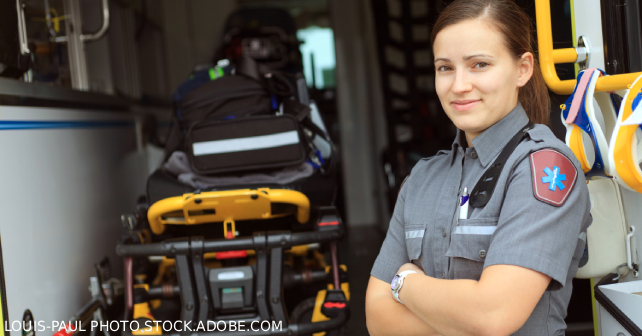
EMS and emergency physician David Miramontes, MD, FACEP, FAEMS, NREMT, medical director of the San Antonio Fire Department (SAFD) and associate clinical professor of emergency health services at the University of Texas Health Science Center at San Antonio, has helped spearhead a variety of community paramedicine programs for SAFD.
Explore This Issue
ACEP Now: March 2026Community paramedicine deploys paramedics with expanded training, experience, and skills in a variety of non-traditional, community-based roles and settings beyond the customary transport to the emergency department (ED). It is often proposed as a way to reduce medically unnecessary 911 calls and visits to overcrowded EDs. Community paramedics provide proactive, non-emergency care; patient education; and health promotion, helping to connect frequent 911 callers with more appropriate social and health resources.
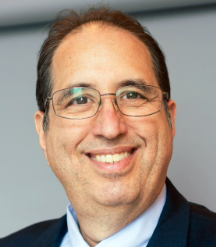
Dr. Miramontes
Dr. Miramontes said EMS has been in his blood since working as an EMT while he was still in high school. “I’ve done lots of community EMS, community paramedicine, which is now also called mobile integrated health care.” He used the term mobile integrated health care (MIH) for a related but somewhat broader concept that incorporates the community paramedic as an essential component, often in collaboration with telemedicine support and other community resources.
High-Volume Users
In 2014, SAFD launched a pilot MIH program focused on high-volume users of 911 calls. The paramedics scheduled appointments, visited patients, performed assessments and baseline vital signs, did medication reconciliation and home safety inspections, and coordinated and navigated community resources. This led to a 54 percent reduction in 911 call volume for targeted patients.
SAFD has since added nine other service lines that use community paramedics. These include contracts with local hospice companies for paramedics to visit hospice patients who call 911; outreach programs offering medication-assisted therapy, including buprenorphine and navigation into addiction care after overdose; Integrated Mobile Partners Action Care in partnership with the San Antonio Police Department’s Mental Health Unit, with an emphasis on helping homeless people move to transitional or other housing; and an acute care station in Haven for Hope, a homeless shelter, with paramedics staffing the night shift to provide non-emergent health care.
These programs all have different funding streams and have shown great value for the investment, Dr. Miramontes said.
In 2022, SAFD’s community paramedicine programs collectively made 12,270 patient contacts. SAFD also has a contract with Molina Healthcare, a government-sponsored health plan that supports community paramedic services for its plan members. “These programs will do whatever it takes to stabilize patients and keep them out of the hospital,” Dr. Miramontes said, including buying them food or picking up and administering their injectable antipsychotic medication at the pharmacy while addressing a variety of other social determinants of health.
“These are things that ER doctors don’t always think about, unless you’re one like me, who thinks about them all the time,” he added. “These are factors that can play such a huge role in the patient’s care and, more importantly, in keeping them out of the ER or hospital.”
Mobile Integrated Care
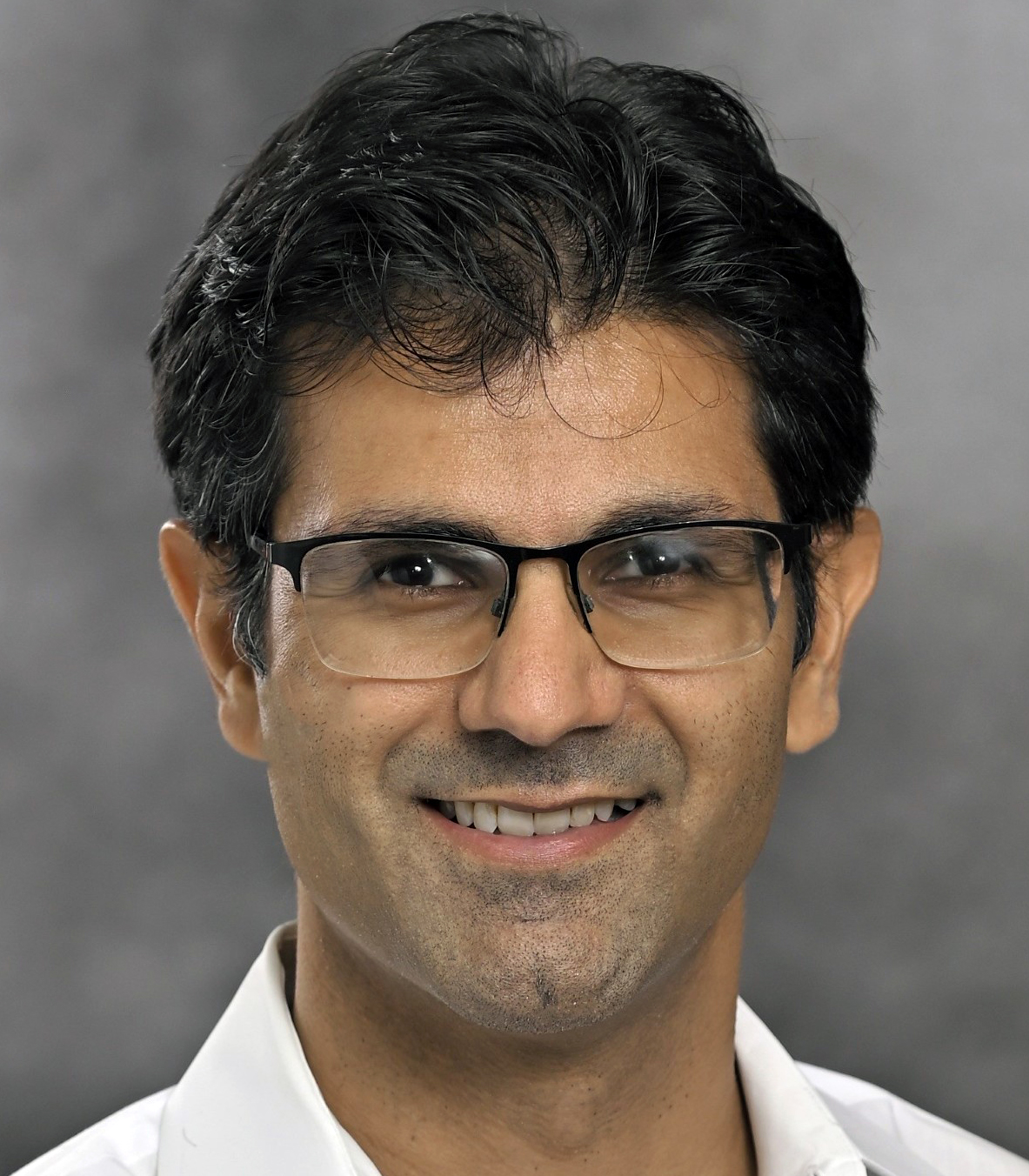
Dr. Munjal
Until recently, Kevin Munjal, MD, was system director of EMS for the Department of Emergency Medicine at Icahn School of Medicine at Mount Sinai in New York City, where he founded its successful community paramedic programs. More recently he co-founded and serves as chief medical officer for Care2U, a mobile acute-care-at-home company providing services analogous to hospital at home for eight counties in the New York City metro area.1 It makes considerable use of community paramedics visiting patients in their homes. Dr. Munjal’s model of MIH uses patient-centered, mobile out-of hospital resources in a coordinated manner with physicians, hospitals, and other providers to provide higher quality patient-centered care and help prevent ED visits and hospitalizations.
Dr. Munjal said his diverse experiences with emergency medicine and community paramedicine have guided the evolution of his thinking about, for example, how the financial incentives of EMS dictate practice. In EMS, there’s a perverse incentive, which is that the ambulance service often isn’t reimbursed if it doesn’t take the patient to the hospital. Efforts to reform EMS incentives include bills now in Congress. Many community paramedicine programs must patch together grants, local government support, contracts with Medicaid programs and private insurers, and other types of cost-sharing that reflect their ability to save the health care system a lot of money by preventing unnecessary ED visits.
Hundreds of MIH programs now operate across the United States, Dr. Miramontes said. ACEP promotes and supports the concept of community paramedics within a framework called MIH/CP (community paramedicine) and has published vision statements and related documents describing it as a patient-centered, community-based extension of emergency medical services designed to improve access to care, coordinate services, and supplement traditional emergency response.2
Dr. Miramontes said he wanted physicians to think of community paramedics as an essential part of emergency medicine — as the ED’s partners, and extensions into the community. “Here we have this incredibly sophisticated, well-stocked emergency department on wheels that goes out into the community. But in many settings, no matter what the situation, the treatment is the same: Let’s drive them to the hospital,” he said. That doesn’t always have to be the case.
Tackling Chronic Heart Disease
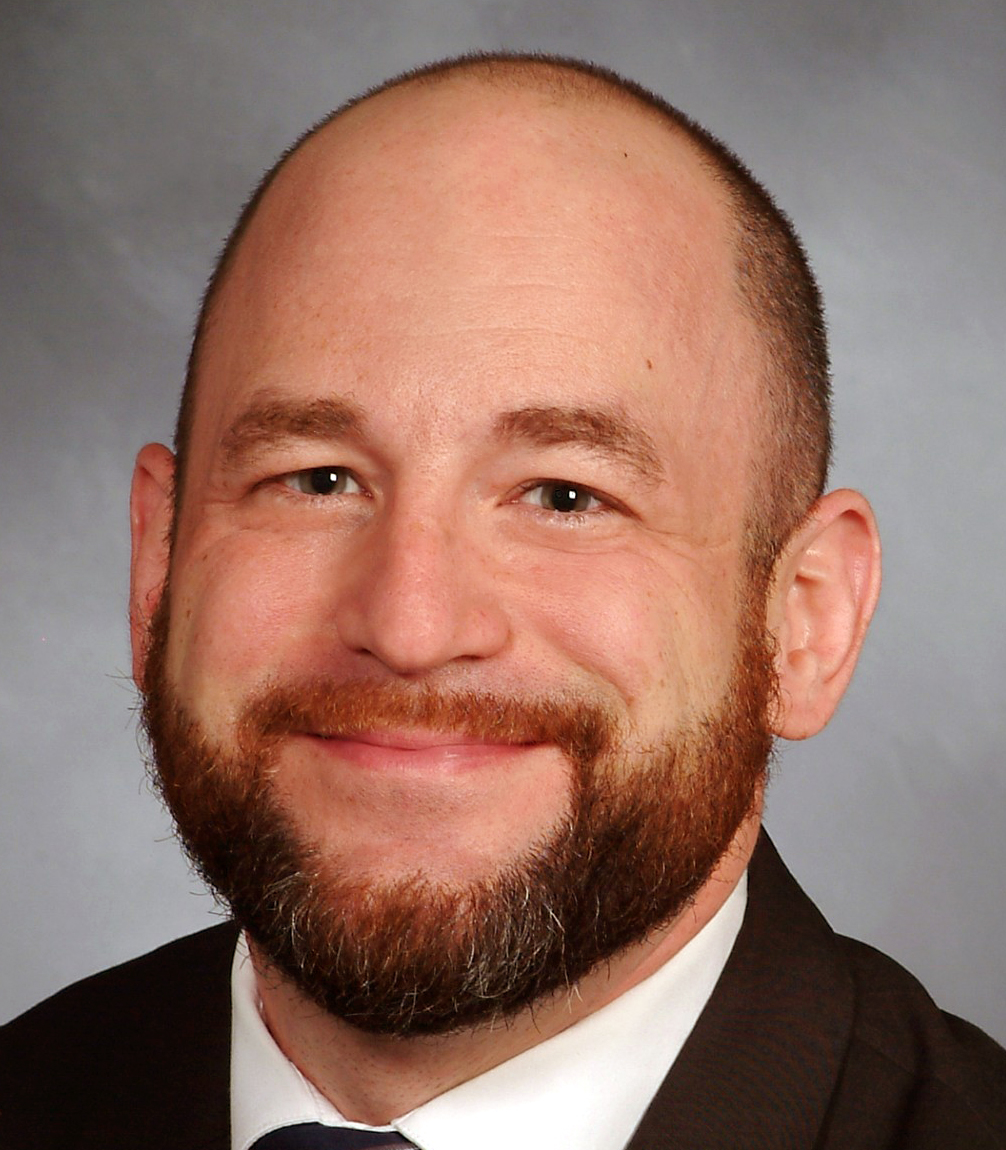
Dr. Daniels
In 2018, Brock Daniels, MD, MPH, an emergency physician at Weill Cornell Medicine and New York-Presbyterian Hospital in New York City, and Rahul Sharma, MD, MBA, chief of emergency medicine at Weill Cornell Medicine and New York-Presbyterian Hospital, established a pilot Community Tele-Paramedicine program, in collaboration with Weill Cornell’s Advanced Heart Failure Clinic, targeting patients with heart failure who were frequent ED and hospital utilizers.
For Dr. Daniels, the genesis of tele-paramedicine for cardiac patients was seeing those patients in the ED. “They are short of breath, volume overloaded, their legs are swelling, they’ve missed a couple days of their diuretics. And I’m sitting there thinking if I had only seen this patient five days ago, they wouldn’t be here now.”
Once these heart failure patients are in the ED, they usually end up being admitted, waiting hours to days for an inpatient bed, and are frequently readmitted multiple times. “Community Tele-Paramedicine offers a better care model for these medically complex, socially vulnerable patients by providing triage and treatment at home where most of them would rather be,” he said.
Patients typically are enrolled following an acute care episode, with care managers conducting proactive outreach to support post-discharge transitions of care. A team of community paramedics is dispatched as needed to perform home visits, where they facilitate telehealth encounters with emergency physicians.
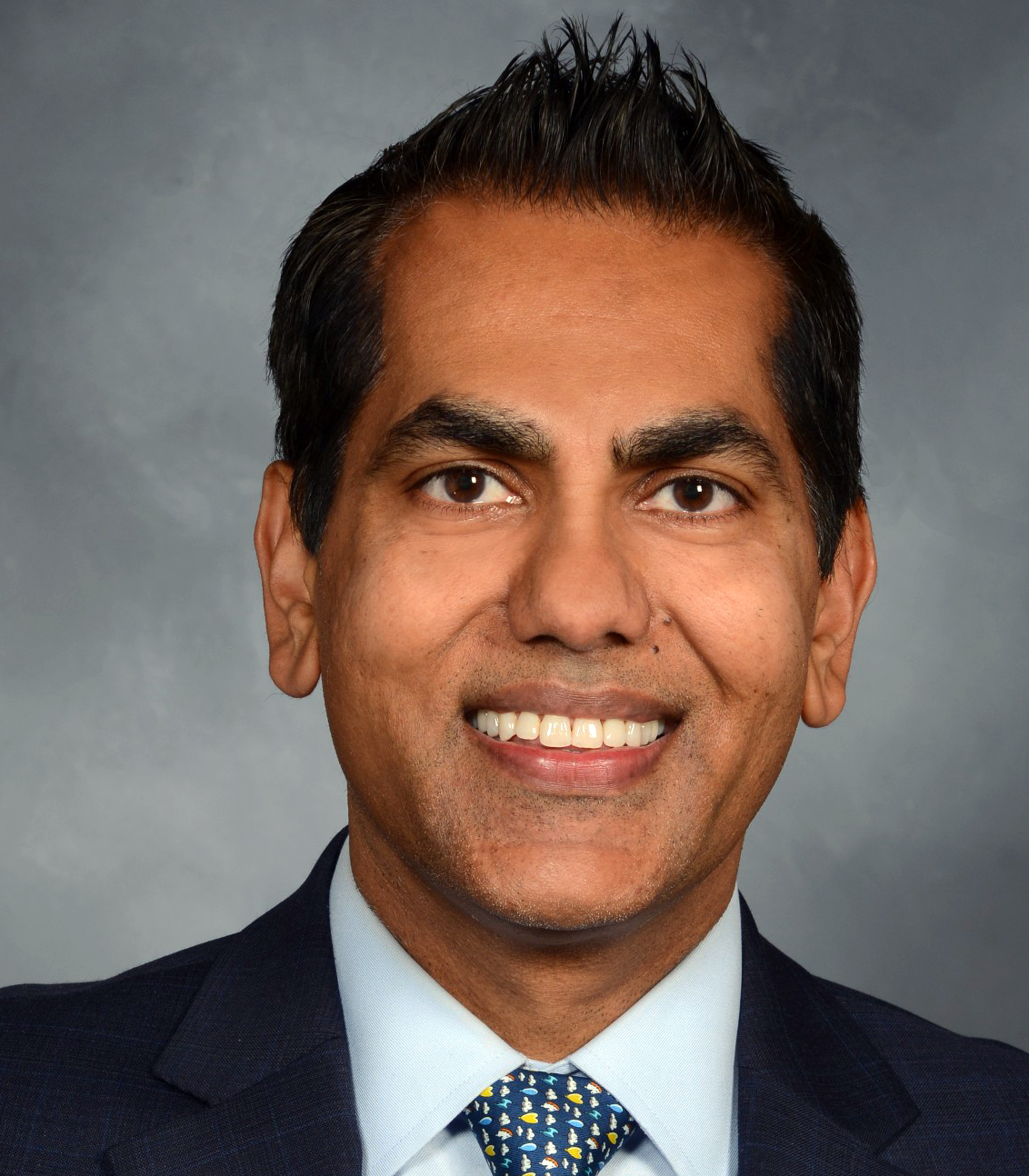
Dr. Sharma
“It has been shown to reduce ED visits and 30-day readmissions,” Dr. Sharma said.3 And the data also confirm that patients really love it.4 “When you look at emergency departments today, they are overcrowded, they’re packed. Patients are waiting for beds. There are other exacerbating factors such as lack of access and poor care coordination after discharge,” he said. “We have to work within the system and create other opportunities for patients and providers. I think there is no better specialty than emergency medicine to take on this role.”
How Can Emergency Physicians Help?
If you listen to community paramedics, in many cases they will help you facilitate rapid discharge and safe disposition of the patient, Dr. Miramontes said. “If you hear a community paramedic come in to see a patient in your ER, embrace them, see how they can help you, and how you can help them. You can feel more comfortable discharging patients because you will have somebody else watching them.”
EMS paramedics don’t just bring people to the hospital. They are the entry point into care, he said. “And our goal is to better utilize our resources to get the right patient to the right place for the right care at the right time. EMS is now part of the health care system, just like case management, respiratory therapy, a pharmacist in the ER. We’re part of the health care team.”
These programs offer one more thing for emergency physicians, Dr. Daniels said. Emergency physicians at New York-Presbyterian said they also enjoy participating in the program’s telemedicine role, doing virtual shifts from a hospital office or at home. Telemedicine is a somewhat different skill set and mindset than practicing within the ED.
Added Dr. Sharma, “Since burnout is a mounting challenge in our specialty, this actually has been beneficial for many physicians to find other ways to provide care in other environments for different patient populations. Diversifying our portfolio is really a key to longevity.”
Mr. Beresford is an Oakland, California-based freelance medical journalist.
References
- Zikry HE, Kilaru AS. Hospital at Home Is Here: An Opportunity EM Can’t Ignore. ACEP Now. Accessed August 25, 2025.
- Medical Direction of Mobile Integrated Health Care and Community Paramedicine Programs. A Policy Statement approved by the ACEP Board of Directors. October 2014. Ann Emerg Med. 2015. December; 66(6): 692-693.
- Daniels B, Casale P, Sharma R. Community Tele-Paramedicine to Improve Telehealth Access for Underserved Populations. NEJM Catalyst. 2025. March; 6(3).
- Daniels B, McGinnis C, Topaz LS, et al. Bridging the digital health divide—patient experiences with mobile integrated health and facilitated telehealth by community-level indicators of health disparity. J Am Med Inform Assoc. 2024 Apr 3; 31(4): 875-883.



No Responses to “Community Paramedicine Diverts Frequent Fliers, Other Patients from ED”