
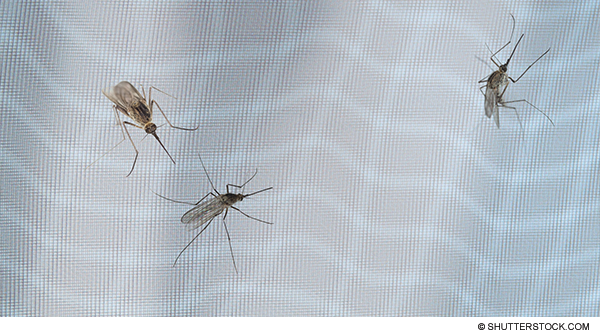
Emergency physicians encouraged to review guidelines for diagnosing, treating this parasitic disease as infection rates reach highest level in 30 years
Explore This Issue
ACEP Now: Vol 33 – No 02 – February 2014In November 2013, the Centers for Disease Control and Prevention (CDC) released a document announcing that 2011 was the year with the highest number of reported malaria cases in the United States since 1971. This article summarizes the essential elements of the CDC malaria surveillance in 2011.
Identifying and Treating Malaria
It is not unusual for travelers who have returned to the United States to seek care in the emergency department for their illnesses. Malaria should be considered in a febrile individual who provides a history of travel to an area where malaria transmission is known. The signs and symptoms of malaria are variable and can include fever, chills, myalgia, malaise, headaches, back pain, diarrhea, nausea, vomiting, and cough. These nonspecific manifestations can easily be confused with more commonly encountered viral and bacterial infections.
A common method for the diagnosis of malaria is microscopic examination of peripheral blood for parasites (thick and thin blood smear). This test not only permits a rapid determination of the presence or absence of parasites but also allows for identification of the parasite species and the percentage of infected red blood cells.
The choice of antimalarial agents is multifactorial. It is dependent on the severity of the infection; the ability to identify and quantify the density of the Plasmodium species; and the geographic origin of the parasite, which helps in predicting resistance patterns. Severe malaria is defined as a case in the presence of one or more of the following manifestations: neurologic symptoms (eg, altered mental status, seizures), renal failure, severe anemia, pulmonary edema, circulatory shock, disseminated intravascular coagulation, acidosis, jaundice, or greater than or equal to 5 percent parasitemia.
It is imperative to consult the CDC and an infectious-diseases specialist as soon as possible when encountering severe malaria. Severe malaria is treated intravenously with quinidine gluconate plus one of the following: doxycycline, tetracycline, or clindamycin. A highly effective alternative to quinidine gluconate is intravenous artesunate, which is available as an investigational new drug through the CDC. Intravenous artesunate should be followed by one of the following: atovaquone-proguanil (Malarone), doxycycline, clindamycin, or mefloquine.1
In situations when the Plasmodium species is not known, a presumptive treatment regimen for a P. falciparum infection should be initiated. Indications for hospitalization include the inability to exclude P. falciparum infection; severe illness (as outlined above); and infection in infants, pregnant women, and those with severe underlying chronic medical conditions.
In 2011, the CDC received 1,925 reported cases of malaria among persons in the United States and its territories. In comparison to 2010, there was a 14 percent increase in the number of reported cases in 2011.
Malaria Statistics
In 2011, the CDC received 1,925 reported cases of malaria among persons in the United States and its territories. In comparison to 2010, there was a 14 percent increase in the number of reported cases in 2011, and it was the highest number of malaria cases reported since 1971 (N=3,180).2,3
Pages: 1 2 3 4 5 | Single Page



One Response to “CDC Reports Record Number of Malaria Cases in the U.S”
August 6, 2019
Paul E. KuneliusI was discharged from the Army on 08/23/1967. I served in Vietnam from Sept. of 1966 to August of 1967. In the month of Feb. 1969 I came down with malaria and was treated at the VA and was in the hospital for one week. I live in Massachusetts and have for my whole life. My questions are was it possible to contact malaria in MA at that time and is it possible to have contacted malaria in Vietnam and have it not appear till 16 months later? I never had malaria in Vietnam. Thank You, Paul