
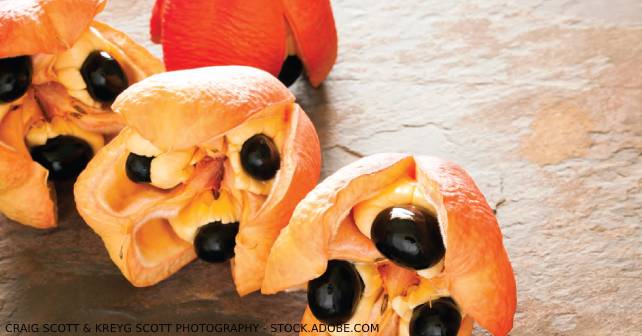
As hypoglycin A is a heat-stable toxin, cooking unripe ackee does not decrease its toxicity. Due to concerns regarding THS, the import of ackee fruit was outlawed in 1972, but since 2000 canned exports have been allowed by certain “green listed” manufacturers by the Federal Drug Administration.8
Explore This Issue
ACEP Now: Vol 43 – No 04 – April 2024Diagnosis and Treatment
Food poisoning may result in a similar clinical manifestation as Toxic Hypoglycemic Syndrome. THS should be considered in individuals of Jamaican descent or in individuals who recently visited Jamaica, and of course in anyone who reports gastroenteritis symptoms after ingesting ackee. Workup should include blood glucose, serum electrolytes, liver function tests, and urinalysis.9 Initial treatment should focus on rapid correction of blood sugar via intravenous and oral dextrose, with close monitoring for recurrent hypoglycemia. Other supportive care includes rehydration with intravenous fluids and antiemetics. Activated charcoal could be considered if presenting immediately after ingestion.
Case Resolution
During further inquiry, the patient mentioned consuming all four pieces of the fruit but denied ingesting any seeds. She specified that the fruit was canned, but brought illicitly by a family member into the country.
The rest of her workup was notable for hypokalemia of 3.3 mmol/L. Other lab work was unremarkable, including creatinine and liver function tests. Her blood sugar improved after IV dextrose bolus and infusion. Poison control was consulted, and they concurred with the diagnosis of THS. Under their recommendation, the patient was admitted to the hospital for observation on an intravenous dextrose infusion. The next day she tolerated oral intake, her blood sugar was maintained, and she was discharged with instructions to monitor her glucose levels at home.
 Dr. Franco is an emergency medicine attending physician at St. Francis Hospital and Medical Center, as well as an assistant professor at University of Connecticut School of Medicine and Quinnipiac University School of Medicine.
 Ms. Taylor is the chief scribe for ScribeAmerica at Saint Francis Hospital and Medical Center, as well as an undergraduate student studying Neuroscience and Biology at Wesleyan University.
References
- Katibi OS, Olaosebikan R, et al. Ackee fruit poisoning in eight siblings: implications for public health awareness. Am J Trop Med Hyg. 2015;93(5):1122–3.
- Joskow R, Belson M, et al. Ackee fruit poisoning: an outbreak investigation in Haiti 2000–2001, and review of the literature. Clin Toxicol. 2006;44(3):267-73.
- Ajayi AM, Ayodele EO, et al. Evaluation of neurotoxicity and hepatotoxicity effects of acute and sub-acute oral administration of unripe ackee (Blighia sapida) fruit extract. Toxicology Rep. 2019;6:656-65.
- Centers for Disease Control (CDC). Toxic hypoglycemic syndrome–Jamaica,1989-1991. MMWR Morb Mortal Wkly Rep. 1992;41(4):53-5.5.
- Scott, HH. On the ‘vomiting sickness’ of Jamaica. Ann Trop Med Parasitol.1916;10(1):1-78.
- McTague JA, Forney R Jr. Jamaican vomiting sickness in Toledo, Ohio. Ann Emerg Med. 1994;23(5):1116-8.
- Sanford AA, Isenberg SL, et al. Quantification of hypoglycin A and methylenecyclopropylglycine in human plasma by HPLC-MS/MS. J Chromatogr B Biomed Appl. 2018;1095:112–118.
- Hypoglycin A and Ackee Fruit. U.S. Food and Drug Administration website. Updated 03/05/2024. Accessed March 23, 2024.
- Holson DA. Ackee fruit toxicity: workup. Medscape website. Published March 28,2022. Accessed March 23, 2024.
Pages: 1 2 3 | Single Page



No Responses to “Case Report: Toxic Hypoglycemic Syndrome”