Logo

Log In Sign Up |  An official publication of: American College of Emergency Physicians
Navigation
  • Home
  • Multimedia
    • Podcasts
    • Videos
  • Clinical
    • Airway Managment
    • Case Reports
    • Critical Care
    • Guidelines
    • Imaging & Ultrasound
    • Pain & Palliative Care
    • Pediatrics
    • Resuscitation
    • Trauma & Injury
  • Resource Centers
    • mTBI Resource Center
  • Career
    • Practice Management
      • Benchmarking
      • Reimbursement & Coding
      • Care Team
      • Legal
      • Operations
      • Quality & Safety
    • Awards
    • Certification
    • Compensation
    • Early Career
    • Education
    • Leadership
    • Profiles
    • Retirement
    • Work-Life Balance
  • Columns
    • ACEP4U
    • Airway
    • Benchmarking
    • Brief19
    • By the Numbers
    • Coding Wizard
    • EM Cases
    • End of the Rainbow
    • Equity Equation
    • FACEPs in the Crowd
    • Forensic Facts
    • From the College
    • Images in EM
    • Kids Korner
    • Medicolegal Mind
    • Opinion
      • Break Room
      • New Spin
      • Pro-Con
    • Pearls From EM Literature
    • Policy Rx
    • Practice Changers
    • Problem Solvers
    • Residency Spotlight
    • Resident Voice
    • Skeptics’ Guide to Emergency Medicine
    • Sound Advice
    • Special OPs
    • Toxicology Q&A
    • WorldTravelERs
  • Resources
    • ACEP.org
    • ACEP Knowledge Quiz
    • Issue Archives
    • CME Now
    • Annual Scientific Assembly
      • ACEP14
      • ACEP15
      • ACEP16
      • ACEP17
      • ACEP18
      • ACEP19
    • Annals of Emergency Medicine
    • JACEP Open
    • Emergency Medicine Foundation
  • About
    • Our Mission
    • Medical Editor in Chief
    • Editorial Advisory Board
    • Awards
    • Authors
    • Article Submission
    • Contact Us
    • Advertise
    • Subscribe
    • Privacy Policy
    • Copyright Information

Case Report: A Child with a Rash and Lead Poisoning History

By Evan P. Cohen, MD; and Muhammad Shehzad K. Wazir, MD | on January 9, 2024 | 0 Comment
Features
  • Tweet
  • Click to email a link to a friend (Opens in new window) Email
Print-Friendly Version

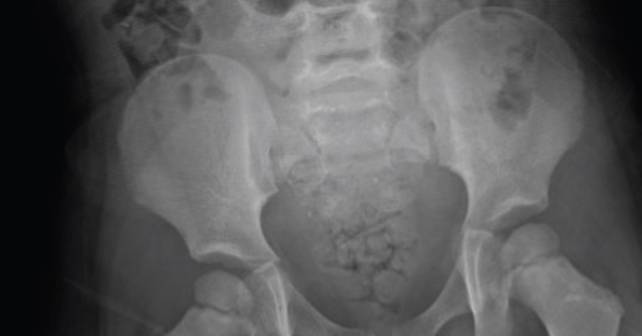
Lead poisoning occurs most commonly in the developing world.10 There have also been numerous cases in the developed world, with higher lead burdens seen during the peak of the Flint, Michgan, water crisis.11 Lead interacts with human physiology in two significant ways: it strongly binds to sulfhydryl groups and other electron donor groups in proteins, affecting their functions. Additionally, its similarity to divalent cations like calcium and zinc disrupts various cellular processes regulated by these ions.12 From a neurological standpoint, lead is believed to disrupt the natural pruning of synapses in developing brains, which may explain cognitive and behavioral changes observed in children exposed to high levels of lead.13 Peripheral neuropathy is a common manifestation of lead toxicity in adults but its mechanism is poorly understood. Severe neurological manifestations seen in lead encephalopathy are thought to be at least in part due to lead-induced cerebral microvascular changes leading to cerebral edema and increased intracranial pressure.14 Lead-induced anemia occurs because it disrupts enzymes responsible for making heme and maintaining red blood cell membranes. This disruption reduces production of red blood cells and increases their destruction.12 From a kidney standpoint, lead can cause problems in the proximal tubules, similar to Fanconi syndrome, and it competes with uric acid for excretion in the distal tubule, raising blood urate levels. Lead also has a multitude of effects on the endocrine system, thyroid function, skeletal growth, and development.15 Lead is associated with gastrointestinal symptoms such as abdominal pain, constipation, and anorexia but these effects are poorly understood.12 Our patient exhibited hematological manifestations of lead poisoning, but on examination was asymptomatic apart from a rash on initial presentation.

You Might Also Like
  • ACEP Clinical Policy on Acute Carbon Monoxide Poisoning
  • A Case Report on Tetanus
  • Case Report: Acute Urinary Retention and Fever in a Man
Explore This Issue
ACEP Now: Vol 43 – No 01 – January 2024

Chelation therapy is recommended for severe lead poisoning based on age, blood lead concentration, and clinical symptoms.16 Chelation therapy is recommended for patients with blood lead concentrations exceeding 45 μg/dL.17 In the past, a combination of dimercaprol and calcium disodium ethylenediaminetetraacetic acid (abbreviated EDTA) was the recommended chelation regimen. However, today, dimercaptosuccinic acid (aka DMSA or succimer) is approved and recommended for these patients. For those with mild to moderately increased lead levels, D-penicillamine was previously used orally but, due to toxic effects, has largely been replaced by succimer since 1991.18

Conclusion

Our case highlights the importance of vigilant lead screening in young children, even in the absence of overt symptoms. Timely identification of elevated lead levels and appropriate intervention can prevent the detrimental effects of lead poisoning. Emergency physicians should remain vigilant in identifying potential sources of lead exposure in at-risk populations.

Pages: 1 2 3 4 | Single Page

Topics: Case Reportslead contaminationPediatrics

Related

  • FACEPs in the Crowd: Dr. John Ludlow

    November 5, 2025 - 0 Comment
  • Case Report: Rare Pulmonary Embolism After Routine PIVC Insertion

    September 22, 2025 - 1 Comment
  • Nail Bed Injuries: What to Do—or Not to Do

    August 18, 2025 - 0 Comment

Current Issue

ACEP Now: November 2025

Download PDF

Read More

No Responses to “Case Report: A Child with a Rash and Lead Poisoning History”

Leave a Reply Cancel Reply

Your email address will not be published. Required fields are marked *


*
*


Wiley
  • Home
  • About Us
  • Contact Us
  • Privacy
  • Terms of Use
  • Advertise
  • Cookie Preferences
Copyright © 2025 by John Wiley & Sons, Inc. All rights reserved, including rights for text and data mining and training of artificial technologies or similar technologies. ISSN 2333-2603
