
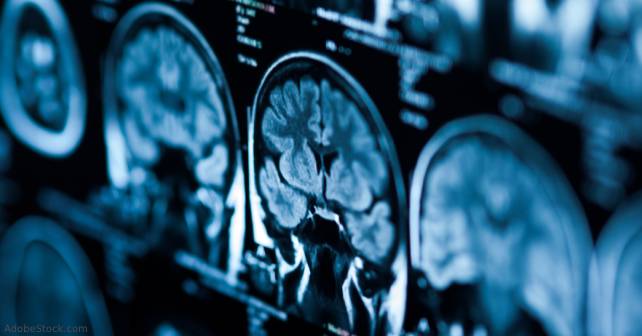
The recommendations in the first two editions of these guidelines were all graded as “weak” due to the lack of high-quality evidence. Since the last edition, evidence has grown supporting an outcome benefit of interventions; specifically, the statewide Excellence in Prehospital Injury Care (EPIC) initiative from Arizona which documented an outcome benefit for patients with moderate and severe TBI when prehospital treatment guidelines were followed.4 In addition, a number of meta-analyses have produced a higher level of evidence that consequently support a “strong” recommendation in several areas where the recommendation was rated “weak” in prior guideline editions.
Explore This Issue
ACEP Now: Vol 42 – No 10 – October 2023The recommendations in the guidelines are divided into sections pertaining to “Assessment”, “Treatment” and “Decision Making”: Chapters within these sections are uniformly structured to include Recommendations, Evidence Tables, Scientific Foundations, and Key Issues for Future Investigation, and References. The following is a summary of the guidelines; An algorithm that synthesizes best practice recommendations based on the guidelines is available at https://doi.org/10.1080/10903127.2023.2187905 and from the Brain Trauma Foundation.
SUMMARY
The Brain Trauma Foundation’s guidelines for prehospital management of traumatic brain injury patients provide evidence-based recommendations for assessment, treatment, and transport decisions. The guidelines emphasize the importance of monitoring and treatment of airway, oxygenation, and ventilation, with caution against hyperventilation and recommendations for the use of ETCO2 to ensure appropriate ventilation. Close monitoring of oxygenation and blood pressure is also stressed, with interventions recommended based on the results of this monitoring. The guidelines also address issues related to EMS provider skill level, transportation modality, and destination for the patient. The recommendations are applicable to all types of EMS systems.
__________________________
 Dr. Jagoda is professor and chair emeritus of emergency medicine at the Icahn School of Medicine at Mount Sinai.
 Dr. Bobrow is professor and chair of the McGovern Medical School at UTHealth Houston department of emergency medicine and The John P. and Kathrine G. McGovern distinguished chair in emergency medicine.
 Dr. Lulla is an assistant professor of emergency medicine in the Department of Emergency Medicine within the Division of Emergency Medical Services, Disaster and Global Health at UT Southwestern Medical Center.
 Dr. Ghajar is president and founder of the Brain Trauma Foundation at the Stanford Brain Performance Center.
 Dr. Hawryluk is a neurosurgeon at Cleveland Clinic and medical director of the Brain Trauma Foundation.
TBI TREATMENT
Airway, Ventilation, and Oxygenation
- All patients with suspected severe TBI should be placed on continuous oxygen supplementation via nasal cannula or face mask in the prehospital setting in order to minimize secondary insults related to hypoxia.
- Hypoxemia (oxygen saturation [SpO2] < 90%) should be monitored using continuous pulse oximetry and corrected immediately upon identification by 1) ensuring appropriate airway positioning and 2) administering continuous, supplemental oxygen.
- If signs of hypoxia persist (central cyanosis and/or hypoxemia on pulse oximetry) despite increasing the flow and concentration of continuous supplemental oxygen, the following stepwise strategies should be undertaken with re-evaluation of oxygen saturation and respiratory effort following each strategy:
Pages: 1 2 3 4 5 | Single Page



One Response to “Brain Trauma Guidelines for Emergency Medicine”
April 9, 2025
Cristopher AstudilloMe pareció interesante. Una información bastante valiosa para el tratamiento de TCE.
Con cuerdo mucho con uno de los partidos que dice “El tratamiento inmediato del TCE, desde la APH da una buena probabilidad de vida a los pacientes” es algo fundamental para prevenir lesiones secundarias y mejorar el tiempo de recuperación del paciente.