Logo

Log In Sign Up |  An official publication of: American College of Emergency Physicians
Navigation
  • Home
  • Multimedia
    • Podcasts
    • Videos
  • Clinical
    • Airway Managment
    • Case Reports
    • Critical Care
    • Guidelines
    • Imaging & Ultrasound
    • Pain & Palliative Care
    • Pediatrics
    • Resuscitation
    • Trauma & Injury
  • Resource Centers
    • mTBI Resource Center
  • Career
    • Practice Management
      • Benchmarking
      • Reimbursement & Coding
      • Care Team
      • Legal
      • Operations
      • Quality & Safety
    • Awards
    • Certification
    • Compensation
    • Early Career
    • Education
    • Leadership
    • Profiles
    • Retirement
    • Work-Life Balance
  • Columns
    • ACEP4U
    • Airway
    • Benchmarking
    • Brief19
    • By the Numbers
    • Coding Wizard
    • EM Cases
    • End of the Rainbow
    • Equity Equation
    • FACEPs in the Crowd
    • Forensic Facts
    • From the College
    • Images in EM
    • Kids Korner
    • Medicolegal Mind
    • Opinion
      • Break Room
      • New Spin
      • Pro-Con
    • Pearls From EM Literature
    • Policy Rx
    • Practice Changers
    • Problem Solvers
    • Residency Spotlight
    • Resident Voice
    • Skeptics’ Guide to Emergency Medicine
    • Sound Advice
    • Special OPs
    • Toxicology Q&A
    • WorldTravelERs
  • Resources
    • ACEP.org
    • ACEP Knowledge Quiz
    • Issue Archives
    • CME Now
    • Annual Scientific Assembly
      • ACEP14
      • ACEP15
      • ACEP16
      • ACEP17
      • ACEP18
      • ACEP19
    • Annals of Emergency Medicine
    • JACEP Open
    • Emergency Medicine Foundation
  • About
    • Our Mission
    • Medical Editor in Chief
    • Editorial Advisory Board
    • Awards
    • Authors
    • Article Submission
    • Contact Us
    • Advertise
    • Subscribe
    • Privacy Policy
    • Copyright Information

Body Language Tips for Emergency Physicians About to Testify

By Ms. Wood and Dr. Segan | on August 14, 2014 | 0 Comment
Features
  • Tweet
  • Click to email a link to a friend (Opens in new window) Email
Print-Friendly Version
Body Language Tips for Emergency Physicians About to Testify

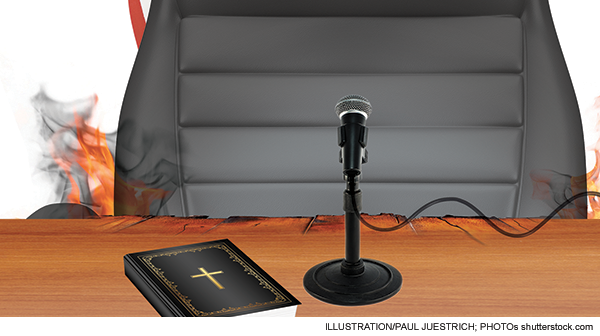
Giving a deposition or testifying in a trial is an experience that is part of being an emergency physician. Knowing the nonverbal messages that people use to ascertain whether you are telling the truth will help ensure you are perceived as being the credible witness you are.

You Might Also Like
  • How to Perform Positive Pressure Technique for Nasal Foreign Body Removal
  • Must an Emergency Physician Comply with a Body Cavity Search Warrant?
  • ICD-10 Coding Tips to Help Emergency Physicians Navigate Documentation Changes
Explore This Issue
ACEP Now: Vol 33 – No 08 – August 2014

Ms. WoodMs. Wood is a body language consultant and professional speaker and the author of eight books. She is interviewed weekly by national media, including CNN, Fox News, Today, The History Channel, The Wall Street Journal, Forbes, and Psychology Today. You can contact her at Patti@PattiWood.net.


Dr. SeganDr. Segan is an emergency physician and attorney based in Woodmere, New York. He can be reached at DougSegan@Yahoo.com.

Pages: 1 2 | Single Page

Topics: Emergency PhysicianLawsuitLegalMalpracticeStressTestimony

Related

  • How Evidence-Based Medicine Strengthens Your Malpractice Defense

    October 28, 2025 - 0 Comment
  • ABEM’s New Physician Certification Portal Includes Waiver Clause

    October 23, 2025 - 0 Comment
  • The Business of Emergency Medicine: Insurance Essentials

    October 9, 2025 - 0 Comment

Current Issue

ACEP Now: November 2025

Download PDF

Read More

No Responses to “Body Language Tips for Emergency Physicians About to Testify”

Leave a Reply Cancel Reply

Your email address will not be published. Required fields are marked *


*
*


Wiley
  • Home
  • About Us
  • Contact Us
  • Privacy
  • Terms of Use
  • Advertise
  • Cookie Preferences
Copyright © 2025 by John Wiley & Sons, Inc. All rights reserved, including rights for text and data mining and training of artificial technologies or similar technologies. ISSN 2333-2603