Logo

Log In Sign Up |  An official publication of: American College of Emergency Physicians
Navigation
  • Home
  • Multimedia
    • Podcasts
    • Videos
  • Clinical
    • Airway Managment
    • Case Reports
    • Critical Care
    • Guidelines
    • Imaging & Ultrasound
    • Pain & Palliative Care
    • Pediatrics
    • Resuscitation
    • Trauma & Injury
  • Resource Centers
    • mTBI Resource Center
  • Career
    • Practice Management
      • Benchmarking
      • Reimbursement & Coding
      • Care Team
      • Legal
      • Operations
      • Quality & Safety
    • Awards
    • Certification
    • Compensation
    • Early Career
    • Education
    • Leadership
    • Profiles
    • Retirement
    • Work-Life Balance
  • Columns
    • ACEP4U
    • Airway
    • Benchmarking
    • Brief19
    • By the Numbers
    • Coding Wizard
    • EM Cases
    • End of the Rainbow
    • Equity Equation
    • FACEPs in the Crowd
    • Forensic Facts
    • From the College
    • Images in EM
    • Kids Korner
    • Medicolegal Mind
    • Opinion
      • Break Room
      • New Spin
      • Pro-Con
    • Pearls From EM Literature
    • Policy Rx
    • Practice Changers
    • Problem Solvers
    • Residency Spotlight
    • Resident Voice
    • Skeptics’ Guide to Emergency Medicine
    • Sound Advice
    • Special OPs
    • Toxicology Q&A
    • WorldTravelERs
  • Resources
    • ACEP.org
    • ACEP Knowledge Quiz
    • Issue Archives
    • CME Now
    • Annual Scientific Assembly
      • ACEP14
      • ACEP15
      • ACEP16
      • ACEP17
      • ACEP18
      • ACEP19
    • Annals of Emergency Medicine
    • JACEP Open
    • Emergency Medicine Foundation
  • About
    • Our Mission
    • Medical Editor in Chief
    • Editorial Advisory Board
    • Awards
    • Authors
    • Article Submission
    • Contact Us
    • Advertise
    • Subscribe
    • Privacy Policy
    • Copyright Information

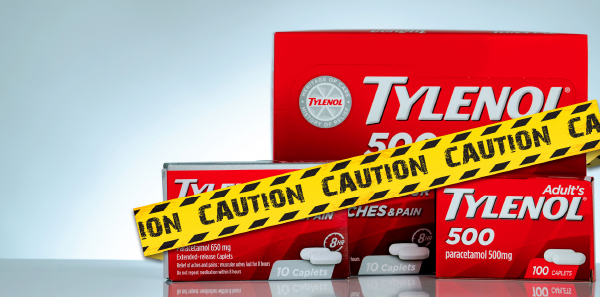
Acetaminophen Overdose—Was It Extended- or Immediate-Release Pills?

By Valerie Pratt, MD; Keith Burkhart, MD; and Ruby Mehta, MD | on April 17, 2019 | 0 Comment
Features
  • Tweet
  • Click to email a link to a friend (Opens in new window) Email
Print-Friendly Version
Shutterstock.com
  • Undetectable acetaminophen concentration
  • Improving hepatic aminotransferases
  • Improving prognostic markers (eg, creatinine, lactate, pH, prothrombin time/international normalized ratio, phosphate)

Regional poison control centers (1-800-222-1222) or medical toxicologists can also be contacted for consultation.

You Might Also Like
  • Acetaminophen Overdose Diagnosis and Treatment
  • Critical Decisions: Acetaminophen Toxicity
  • Overdose Antidote Naloxone Hydrochloride Available in California Pharmacies
Explore This Issue
ACEP Now: Vol 38 – No 04 – April 2019

In cases where it is not known if a patient experiencing an overdose took an IR or ER formulation, it is reasonable to include the practice of obtaining a second acetaminophen level to confirm appropriate triage using the nomogram.

Patient education also plays an important role in mitigating the risk of unintentional acetaminophen overdose. With so many OTC products available that contain acetaminophen, it is understandable that some consumers are unaware that both IR and ER formulations are sold. Although the 650 mg ER differs from the 325 mg IR and the 500 mg extra-strength IR preparations, a consumer in pain or overwhelmed by the many analgesic options available may not notice the difference. Consumers may also not be aware that a wide array of pain-relieving products as well as cold, allergy, and other preparations can contain acetaminophen. It is important that consumers read drug fact labels for active ingredient content to avoid unintentionally overdosing with acetaminophen from multiple sources. Educating patients to read product labels and to appreciate the differences between IR and ER preparations of acetaminophen are key to consumer safety.

The FDA reminds health care professionals to report adverse events to its MedWatch program (www.fda.gov/safety/medwatch/default.htm). This shared information is key to developing and advancing risk and safety profiles for FDA-approved therapies.

Clinical cases of acetaminophen overdose often present challenges, especially when needed historical information about the ingestion is not provided. However, as is often the case, by asking the right questions and carefully recording all available information, enough pieces of the puzzle can be identified to generate a successful outcome. Remember to ask whether your patient uses acetaminophen IR or ER. It just might be the missing piece of information that you need.

This article is a U.S. government work and is in the public domain in the United States.


Dr. Pratt is deputy director for safety in FDA’s Division of Nonprescription Drug Products.

Dr. Burkhart is senior advisor for medical toxicology in FDA’s Division of Applied Regulatory Science.

Dr. Mehta is a staff fellow–medical officer in FDA’s Division of Gastroenterology and Inborn Error Products.

References

  1. IRI Multi-Outlet Reporting Solution. 2014-2017. Data extracted November 2018.
  2. American College of Medical Toxicology. ACMT position statement: duration of intravenous acetylcysteine therapy following acetaminophen overdose. J Med Toxicol. 2017;13(1):126-127.

Pages: 1 2 3 | Single Page

Topics: acetaminophenDrug Overdoseextended releaseTylenol

Related

  • November 2025 News from the College

    November 4, 2025 - 0 Comment
  • 8 Pitfalls in Recognition and Management of Acetaminophen Toxicity

    May 8, 2023 - 0 Comment
  • Acetaminophen Overdose Diagnosis and Treatment

    July 18, 2018 - 0 Comment

Current Issue

ACEP Now: November 2025

Download PDF

Read More

No Responses to “Acetaminophen Overdose—Was It Extended- or Immediate-Release Pills?”

Leave a Reply Cancel Reply

Your email address will not be published. Required fields are marked *


*
*


Wiley
  • Home
  • About Us
  • Contact Us
  • Privacy
  • Terms of Use
  • Advertise
  • Cookie Preferences
Copyright © 2025 by John Wiley & Sons, Inc. All rights reserved, including rights for text and data mining and training of artificial technologies or similar technologies. ISSN 2333-2603
