
Putting Training to Use
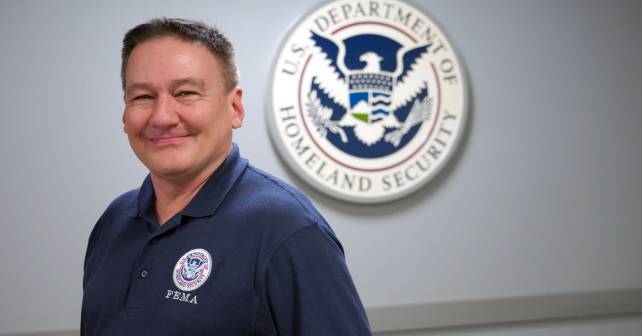
Dr. Pennardt said the skills he gained during residency at the San Antonio Military Medical Center and in the Army prepared him for his role with FEMA in a variety of ways. He was trained to remain calm amid chaos. He learned to effectively organize and lead a team when time is of the essence. He could already manage multiple critical tasks at the same time.
Explore This Issue
ACEP Now: August 2025 (Digital)Emergency medicine and military training also gave him the skills to develop and lead complex operational programs. Dr. Pennardt said people who haven’t been directly affected by a natural disaster have a hard time comprehending the magnitude of it—widespread devastation and the effect the situation has on the survivors and responders.
However, he said the reward comes from having the opportunity to respond to these disasters and subsequently help others.
“People who’ve lost everything…to help them regain hope, begin to rebuild their lives, and help their communities heal and return to normalcy … I think unquestionably that would have to be the most gratifying experience of working at FEMA,” according to Dr. Pennardt.
Lisa McReynolds is a freelance journalist based in Fort Worth, Texas.
Pages: 1 2 | Single Page



No Responses to “ACEP Member Uses ED, Military Training To Set Standards at FEMA”