Logo

Log In Sign Up |  An official publication of: American College of Emergency Physicians
Navigation
  • Home
  • Multimedia
    • Podcasts
    • Videos
  • Clinical
    • Airway Managment
    • Case Reports
    • Critical Care
    • Guidelines
    • Imaging & Ultrasound
    • Pain & Palliative Care
    • Pediatrics
    • Resuscitation
    • Trauma & Injury
  • Resource Centers
    • mTBI Resource Center
  • Career
    • Practice Management
      • Benchmarking
      • Reimbursement & Coding
      • Care Team
      • Legal
      • Operations
      • Quality & Safety
    • Awards
    • Certification
    • Compensation
    • Early Career
    • Education
    • Leadership
    • Profiles
    • Retirement
    • Work-Life Balance
  • Columns
    • ACEP4U
    • Airway
    • Benchmarking
    • Brief19
    • By the Numbers
    • Coding Wizard
    • EM Cases
    • End of the Rainbow
    • Equity Equation
    • FACEPs in the Crowd
    • Forensic Facts
    • From the College
    • Images in EM
    • Kids Korner
    • Medicolegal Mind
    • Opinion
      • Break Room
      • New Spin
      • Pro-Con
    • Pearls From EM Literature
    • Policy Rx
    • Practice Changers
    • Problem Solvers
    • Residency Spotlight
    • Resident Voice
    • Skeptics’ Guide to Emergency Medicine
    • Sound Advice
    • Special OPs
    • Toxicology Q&A
    • WorldTravelERs
  • Resources
    • ACEP.org
    • ACEP Knowledge Quiz
    • Issue Archives
    • CME Now
    • Annual Scientific Assembly
      • ACEP14
      • ACEP15
      • ACEP16
      • ACEP17
      • ACEP18
      • ACEP19
    • Annals of Emergency Medicine
    • JACEP Open
    • Emergency Medicine Foundation
  • About
    • Our Mission
    • Medical Editor in Chief
    • Editorial Advisory Board
    • Awards
    • Authors
    • Article Submission
    • Contact Us
    • Advertise
    • Subscribe
    • Privacy Policy
    • Copyright Information

A Safety Solution for Emergency Department Staff and Patients

By Lorenzo Santamaria, MS; Henry Ashworth, MD, MPH; Elaine Dellinger, MD; Megan Heeney, MD; and Carmen Lee, MD, MAS | on November 13, 2023 | 0 Comment
Resident Voice
  • Tweet
  • Click to email a link to a friend (Opens in new window) Email
Print-Friendly Version

This decontextualized response is also challenging for responders. In one ED in the San Francisco area, a law enforcement officer staffed there said they would appreciate additional support for de-escalating patients. From the law enforcement perspective, hospital policies regarding behavioral codes were “vague” and the same patients are often seen multiple times with similar behavioral crises, he noted in an interview. Both security and health care teams assisting during these crises may benefit from a re-framing of the response to mentally vulnerable patients during times of aggression.

You Might Also Like
  • Firearms and Emergency Department Safety
  • Keep Safe While Boarding Psychiatric Patients in the Emergency Department
  • Ketamine Effective for Agitated, Aggressive Emergency Department Patients
Explore This Issue
ACEP Now: Vol 42 – No 11 – November 2023
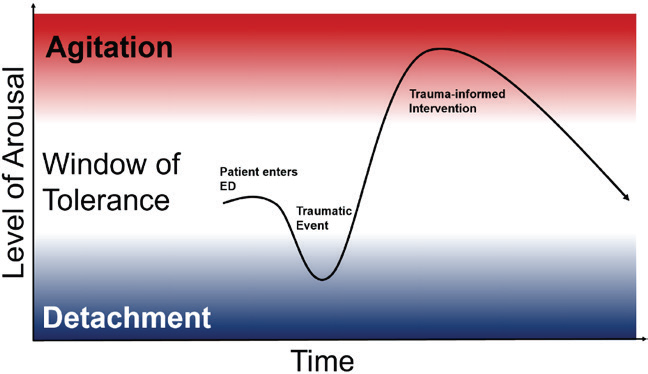
FIGURE 2: Patient tolerance of stimuli and interventions. (Click to enlarge.)

When a patient first enters the ED, they may be within their window of tolerance of stimuli and interventions, (see Figure 2) but a triggering event may cause an initial detached state (numb, quiet, dissociated) to a hyper-aroused agitated state (yelling, getting out of bed, throwing objects). Trauma-informed interventions deployed by BERTs use de-escalation techniques to move the patient from the hyper-aroused state back into the window of tolerance so that they can effectively engage in their care.

A Call for Change: BERTs

Just as rapid response teams have been created to attend urgently to medically decompensating patients in the hospital, Behavioral Emergency Response Teams (BERTs) have been created to rapidly identify and tend to a patient whose behavior is escalating. Evidence from inpatient wards, outpatient facilities, and addiction treatment centers has demonstrated that BERTs are an effective de-escalation solution in a variety of care contexts.

A 2019 literature review summarized seven studies describing the creation and implementation of BERT teams. Led by psychiatric-trained nurses, teams responding to behavioral codes used a variety of de-escalation methods including non-confrontational communication, moving the patient to a less stimulating environment, and adjusting medications as necessary. Across clinical contexts, BERT teams reduced the activity of security personnel, restraint and seclusion use, and staff injuries.5 A University of Kansas study found that their BERT structure fosters “a collaborative team within the ED and provides a model of humane care.”4

Conclusion

More implementation studies of this emerging behavioral solution in resource-limited emergency settings are needed. Our group from Highland Hospital has set out to understand the impact on workplace violence and patient safety of initiating a BERT in a busy, county hospital ED. “The workplace violence data in emergency departments are staggering, and it can feel defeating, especially when we and our colleagues experience it firsthand,” explains Dr. Nikita Joshi, faculty lead for efforts to reduce workplace violence in the county health system. “But BERT is an important initiative to proactively address it–in a way that is patient centric, trauma informed, and most of all, empathic toward the patient and the clinician.” The well-being of our patients, staff, and ourselves depends on finding tailored and effective solutions and dissemination of these best practices.

Pages: 1 2 3 | Single Page

Topics: Behavioral Emergency Response Team (BERT)Practice ManagementQuality & SafetyViolent Patientsworkplace violence

Related

  • Florida Emergency Department Adds Medication-Dispensing Kiosk

    November 7, 2025 - 1 Comment
  • Q&A with ACEP President L. Anthony Cirillo

    November 5, 2025 - 0 Comment
  • How Does Emergency Medicine Navigate Consolidation Trends in Health Care?

    October 29, 2025 - 0 Comment

Current Issue

ACEP Now: November 2025

Download PDF

Read More

No Responses to “A Safety Solution for Emergency Department Staff and Patients”

Leave a Reply Cancel Reply

Your email address will not be published. Required fields are marked *


*
*


Wiley
  • Home
  • About Us
  • Contact Us
  • Privacy
  • Terms of Use
  • Advertise
  • Cookie Preferences
Copyright © 2025 by John Wiley & Sons, Inc. All rights reserved, including rights for text and data mining and training of artificial technologies or similar technologies. ISSN 2333-2603
