
It was the abrupt closure of a labor and delivery unit in a small critical access hospital in western Colorado that inspired Joseph Leary, DO, MPH, to get involved in health care policy. Dr. Leary was working his first job as an emergency physician in the rural mining town of Craig, Colo., when his hospital made the decision.
Explore This Issue
ACEP Now: March 2026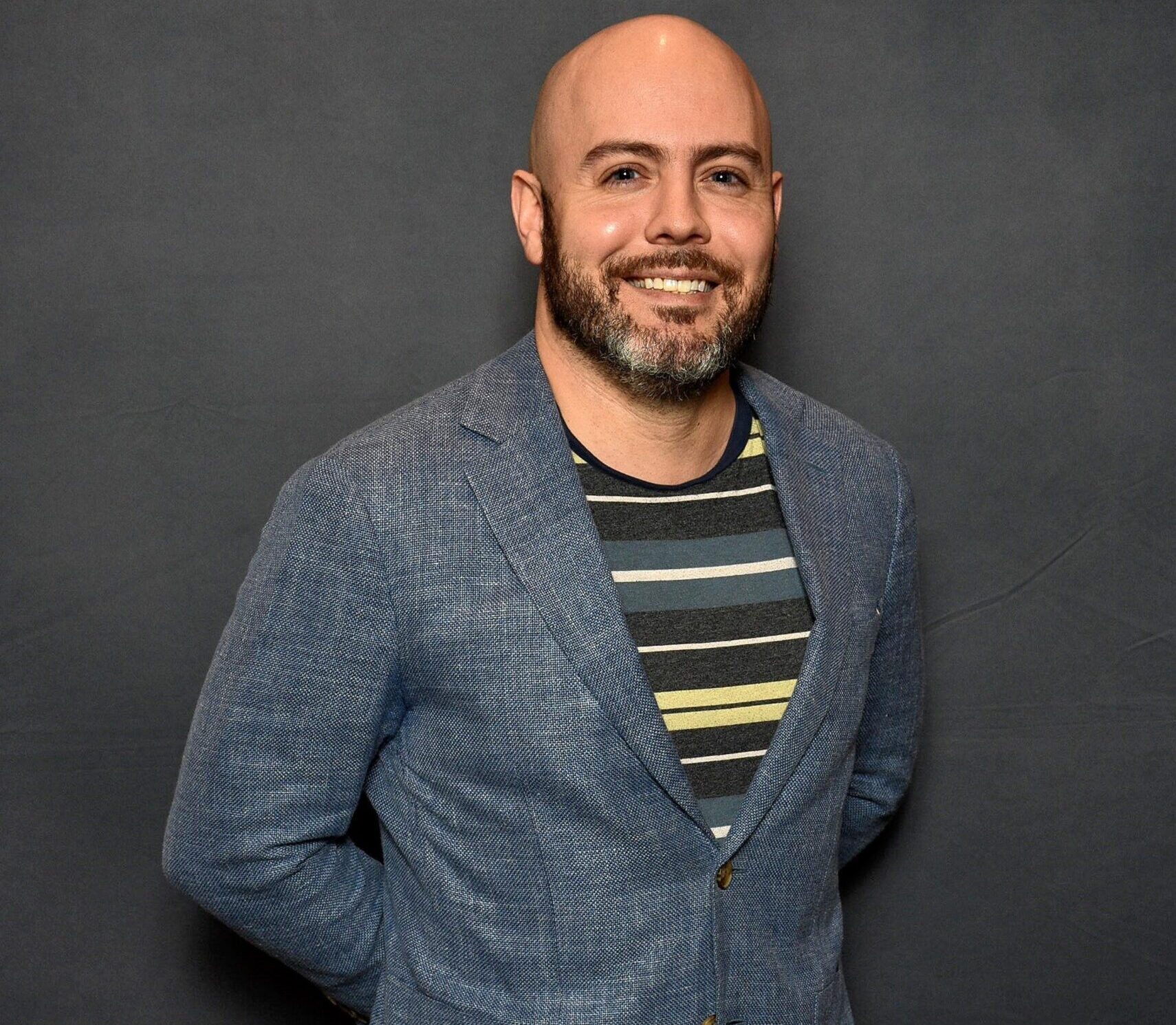
Dr. Leary
“This one decision to close labor and delivery handicapped the whole region’s emergency preparedness, because many ER docs quit, and it also left a number of pregnant women without a place to go,” said Dr. Leary. “I started to wonder how I could be a voice in this larger discussion. I thought I could be part of the change.”
Dr. Leary’s desire to learn how physicians can make an impact beyond working their shifts eventually brought him to Washington, D.C., where he served as a health legislative fellow in the office of U.S. Senator Bill Cassidy, MD, of Louisiana.
Shamie Das, MD, MBA, MPH, FACEP, also developed an interest in policy early in his career. “It goes back to med school, when I went to present a research poster at an AMA [American Medical Association] meeting,” said Dr. Das. “I vividly remember walking by a ballroom with hundreds of medical students from across the country discussing the Affordable Care Act, recognizing the huge transformational discussions about the future of health care. I thought, ‘This is going to have a significant impact on my career, and I want to be in the room.’”
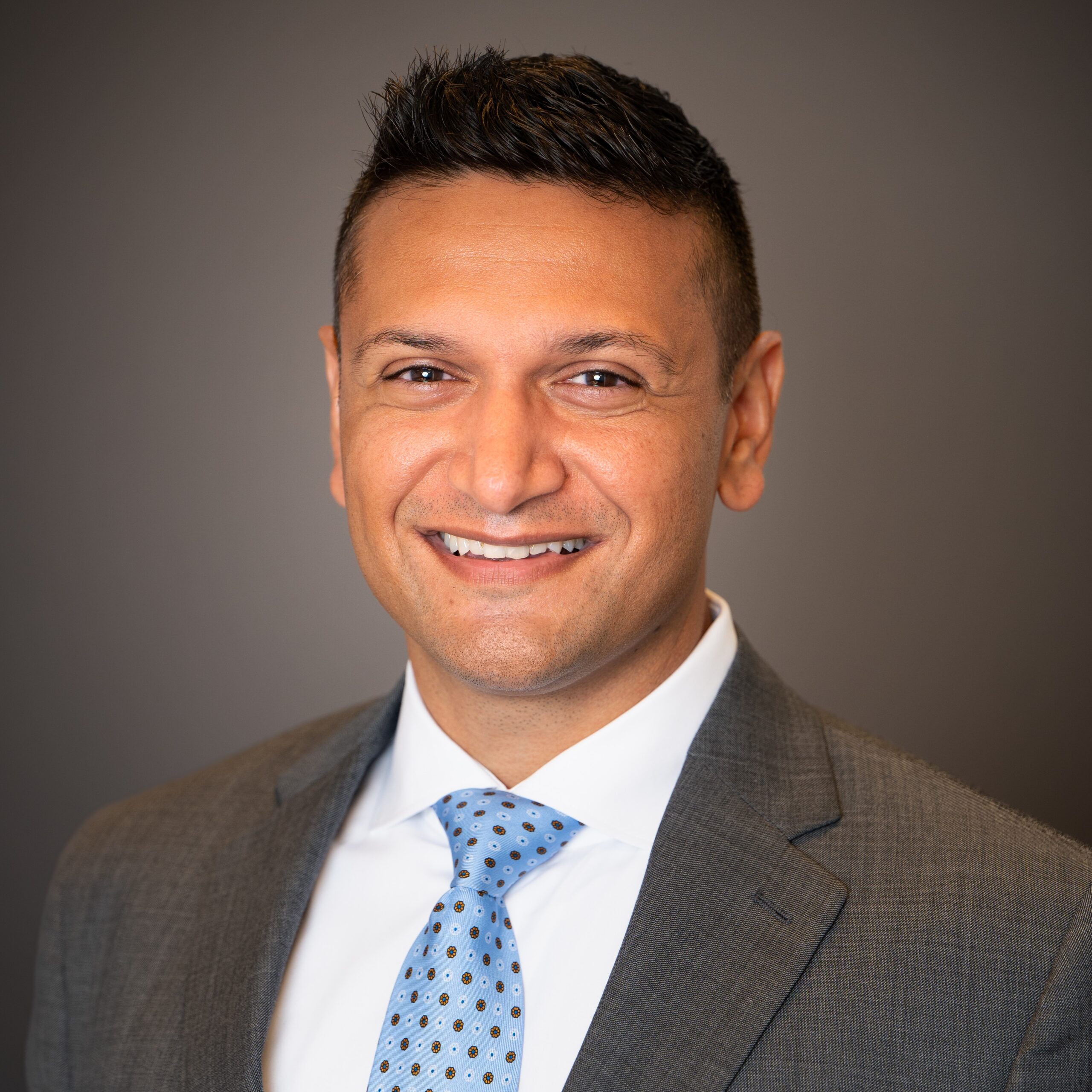
Dr. Das
Years later, after a decade in clinical practice, Dr. Das was drawn to the Robert Wood Johnson Foundation Health Policy Fellows program, through which he did a year of service for U.S. Senator Tim Scott of South Carolina.
It is rare for mid-career emergency physicians to devote a year to health policy, but Drs. Leary and Das were inspired to step away from the bedside and into the halls that govern it. Their time away reshaped how they understood the reach and impact of emergency medicine.
Inside a Policy Year
For Dr. Das, there was no such thing as a “typical” day as a health policy fellow. “Like the ER, there’s always some fire burning,” he said. “During my time in D.C., there were a lot of big discussions on health care, especially around the reconciliation bill, HR 1, The One Big Beautiful Bill Act.”
Dr. Das worked full time in Sen. Scott’s office, partnering with legislative staffers who were managing a vast portfolio of education, workforce, and health care issues. Much of his fellowship work focused on the problem of how to address skyrocketing costs of health care without compromising patients’ access to care.
Dr. Das described how he brought the messy realities of clinical practice to bear to inform policy efforts. “The way we practice and the way we live is not some highly structured, rigorously monitored setting like in an academic paper. It is the real world, so I’m bridging the gap between what the papers show and what the reality of practice is,” he said. “There are a lot of people working on health policy who have never treated a patient. This is where fellows are especially valuable.”
There may be no such thing as a typical day on Capitol Hill, but during his own year in Dr. Cassidy’s office, Dr. Leary developed a rhythm. Moonlighting in urgent care to keep his skills sharp, Dr. Leary came straight from weekend clinical shifts to full days of Hill briefings and meetings.
Dr. Leary managed a portfolio including projects to foster long-term care planning, to increase funding for critical access hospitals, and to improve access to durable medical equipment. Right after his fellowship ended, Dr. Leary saw success in one of his projects; legislation that he had helped champion — the Medicare Advance Planning for Care Act encouraging Medicare beneficiaries to create electronic advance directives — was introduced in Congress in December 2025. For years, ACEP has pushed for greater adoption of advance directives among Medicare beneficiaries and applauded the introduction of the legislation.
“I came into Senator Cassidy’s office saying I would love to work on hospice, palliative care, and anything that pertains to advance directives. So, I’m very proud of my time working on that,” Dr. Leary said.
Impact on Self and Specialty
For Dr. Leary, the year away reenergized his practice. “It refreshed me. I’m going into the ER thinking, ‘Wow, what an opportunity I’ve been given to take care of these people.’ It provided an attitude adjustment.”
It also provided peace. Before engaging in policy, Dr. Leary said he “felt like I was shouting into the abyss. No one was listening.” He is now able to pass this peace along to the patients he serves. “Now I feel heard, and I think my patients are probably going to benefit from a happier, healthier version of myself.”
Dr. Das continues to share the value of getting involved in the political process with those around him. “Even before, I would encourage patients to reach out to legislators and policymakers if they were unhappy with how things were, because it’s ultimately our responsibility as citizens to be engaged in the political process. Engagement is especially true for emergency physicians, as we are the canaries in the coal mine of health care,” he said.
Emergency Physicians as Unique Advocates
Drs. Leary and Das emphasized that emergency physicians occupy a unique vantage point in health care, and policymakers are increasingly taking notice of the valuable expertise and experience they provide. “Because we see all comers, and engage with most specialties, we have a broad understanding of what our health system is doing well, and where our health system needs to improve,” Dr. Das said.
“We are the last men and women standing in this system, so we intimately understand the affordable housing crisis, the mental health crisis. We’re at ground zero, and there’s no one in the country better equipped to speak up,” added Dr. Leary.
They also both noted that getting involved in policy or advocacy work is easier than their colleagues might assume, and that there are many different forms that advocacy can take.
Dr. Das outlined some immediate actions for physicians. “Find out who your representatives are and get to know their staff. Sometimes it’s a quick message, a vignette of how a certain policy impacts a patient you recently saw (protecting PHI of course),” he said. “You have to remember that, while data is important, it’s the stories that move decision makers the most.”
And Dr. Leary shared longer-term steps: “Apply to one of the accredited emergency medicine health policy fellowships and go to the Leadership & Advocacy Conference that ACEP puts on in Washington.”
Ms. Enser is ACEP’s Public Relations Manager.



No Responses to “A Physician Goes to Washington: Lessons from a Year in EM Advocacy”