
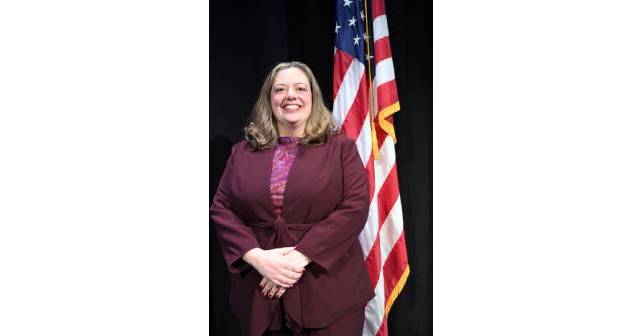
The ACEP Council has requested additional content to be added to the ACGME program requirements multiple times since 2004, including topics on rural medicine, telehealth, physician-led teams, climate change, early pregnancy loss, buprenorphine initiation and harm reduction skills, professional liability litigation, risk management, sexual assault, telehealth, and implicit bias training.
Explore This Issue
ACEP Now: September 2025Dr. Dark: Finally, let’s talk about The One Big Beautiful Bill Act (OBBBA) that passed in July. It includes a provision allowing co-pays for Medicaid patients receiving non-emergency care in the ED. A 15-year-old study in Health Affairs shows these copays don’t reduce ED use for such visits.3 What do you think will happen once this is rolled out?
Dr. Haddock: ACEP has serious concerns about this law. The most concerning part of it is the Medicaid cuts. Emergency physicians care for many patients who lack access to other parts of the health care system. Substantial Medicaid cuts will worsen access. Patients will continue to face barriers to primary care and may even lose their Medicaid coverage altogether. What’s worse is that we’re shifting money from health care delivery to administrative overhead by implementing work requirements and other bureaucratic systems.
As a former state legislative leader with ACEP, I’ve seen many states try to determine which ED visits are “non-emergency,” and these efforts almost always violate the prudent layperson standard. This standard ensures that if someone believes they are experiencing an emergency, they can access care, and it will be covered fairly by insurance.
ACEP has clear policy opposing Medicaid co-pays because they don’t just deter non-emergency visits. They deter necessary care, too. This won’t solve the reimbursement problem, especially with Medicaid cuts looming.
I encourage everyone to watch the webinar our D.C. staff hosted about the OBBBA. There are a lot of concerning provisions in the bill, and we spoke out against them. I’m hopeful we’ll see some key aspects reversed in the future to protect access to patient care and fair compensation for emergency physicians.
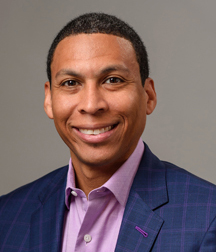 DR. DARK (@RealCedricDark) is associate professor of emergency medicine at Baylor College of Medicine and the medical editor in chief of ACEP Now.
References
- Galvan JE. Beloved Texas doughnut chain sold to California equity firm. KHOU11. https://www.khou.com/article/news/local/shipley-do-nuts-sold-private-equity-houston-texas/285-259116a6-8819-4b32-8ca8-20359bb4f1e1. Published July 28, 2025. Accessed August 7, 2025.
- Fleegler m, Albright D, Wadman M, et al. 379 Rural emergency medicine: the state of rural rotations in residency training programs. Ann Emerg Med. 2022;80(4):S163-S164.
- Mortensen K. Copayments did not reduce Medicaid enrollees‘ nonemergency use of emergency departments. Health Aff (Millwood). 2010;29(9):1643-1650.
Pages: 1 2 3 4 5 | Single Page



No Responses to “A Follow-Up Conversation with ACEP President Dr. Alison Haddock”