

But consolidation isn’t driven solely by private equity. The consolidation of insurers is pushing health care organizations to consolidate in response. We’re also seeing academic consolidation. The problem is that consolidation limits emergency physicians’ choices about where and how to work. If the market in your area is highly consolidated, your options for employers may be limited. A recent Annals article found that 84 percent of hospital referral regions are considered highly consolidated in terms of emergency physician labor markets (Editor’s Note: see News from the College).
Explore This Issue
ACEP Now: September 2025As I’ve traveled and spoken with members, I’ve tried to explain that these forces go beyond emergency medicine—they’re affecting the entire U.S. health care system and economy. Despite the complexity, ACEP can and should continue advocating for individual emergency physicians.
Dr. Dark: The ACGME recently proposed changes to emergency medicine residency programs, including increasing all programs to four years and adding rural health care exposure. Currently, four out of five programs would have to lengthen training, and fewer than 25 percent now require a rural rotation.2 What are the College’s thoughts on how these changes might affect our specialty?
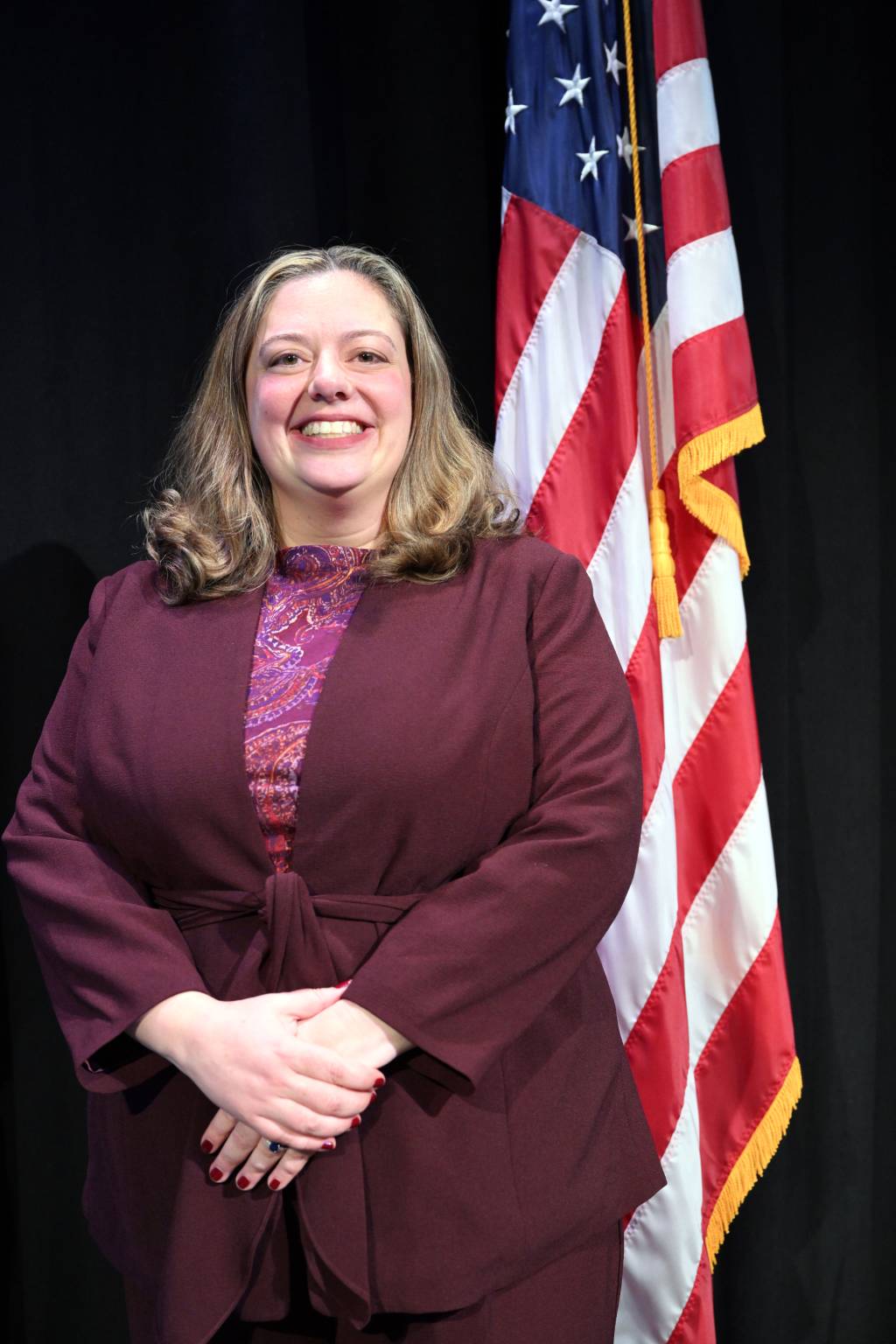
Dr. Alison Haddock will complete her tenure as ACEP President at ACEP25.
Dr. Haddock: For some time, we’ve been concerned about the maldistribution of emergency physicians. It’s been a key issue for me as both a board member and President. We know that to increase the rural workforce, emergency physicians need exposure to working in under-resourced areas. Residency can provide that exposure and help improve access to care, something ACEP strongly supports. It aligns with our advocacy for ensuring there’s a physician in every ED, which several states are already supporting through legislation.
On the three- versus four-year program debate, we’ve received feedback in both directions. Our policy continues to support the existence of both formats. We also recognize that training time is essential to prepare emergency physicians for the realities they’ll face.
In addition, we must also factor in duty hour requirements. These limits are good for physicians, patients, and trainees, and I wouldn’t want to see them weakened. The proposed ACGME changes also touch on how we teach ultrasound and other key skills. ACEP is working hard to bring expert voices into the conversation.
I’m proud of our town halls and how open we were to member feedback. Now, we’re mostly waiting to see what the final ACGME decision will be. I’m hopeful that many of the changes could be positive for both the specialty and our patients.
Pages: 1 2 3 4 5 | Single Page



No Responses to “A Follow-Up Conversation with ACEP President Dr. Alison Haddock”