Logo

Log In Sign Up |  An official publication of: American College of Emergency Physicians
Navigation
  • Home
  • Multimedia
    • Podcasts
    • Videos
  • Clinical
    • Airway Managment
    • Case Reports
    • Critical Care
    • Guidelines
    • Imaging & Ultrasound
    • Pain & Palliative Care
    • Pediatrics
    • Resuscitation
    • Trauma & Injury
  • Resource Centers
    • mTBI Resource Center
  • Career
    • Practice Management
      • Benchmarking
      • Reimbursement & Coding
      • Care Team
      • Legal
      • Operations
      • Quality & Safety
    • Awards
    • Certification
    • Compensation
    • Early Career
    • Education
    • Leadership
    • Profiles
    • Retirement
    • Work-Life Balance
  • Columns
    • ACEP4U
    • Airway
    • Benchmarking
    • Brief19
    • By the Numbers
    • Coding Wizard
    • EM Cases
    • End of the Rainbow
    • Equity Equation
    • FACEPs in the Crowd
    • Forensic Facts
    • From the College
    • Images in EM
    • Kids Korner
    • Medicolegal Mind
    • Opinion
      • Break Room
      • New Spin
      • Pro-Con
    • Pearls From EM Literature
    • Policy Rx
    • Practice Changers
    • Problem Solvers
    • Residency Spotlight
    • Resident Voice
    • Skeptics’ Guide to Emergency Medicine
    • Sound Advice
    • Special OPs
    • Toxicology Q&A
    • WorldTravelERs
  • Resources
    • ACEP.org
    • ACEP Knowledge Quiz
    • Issue Archives
    • CME Now
    • Annual Scientific Assembly
      • ACEP14
      • ACEP15
      • ACEP16
      • ACEP17
      • ACEP18
      • ACEP19
    • Annals of Emergency Medicine
    • JACEP Open
    • Emergency Medicine Foundation
  • About
    • Our Mission
    • Medical Editor in Chief
    • Editorial Advisory Board
    • Awards
    • Authors
    • Article Submission
    • Contact Us
    • Advertise
    • Subscribe
    • Privacy Policy
    • Copyright Information

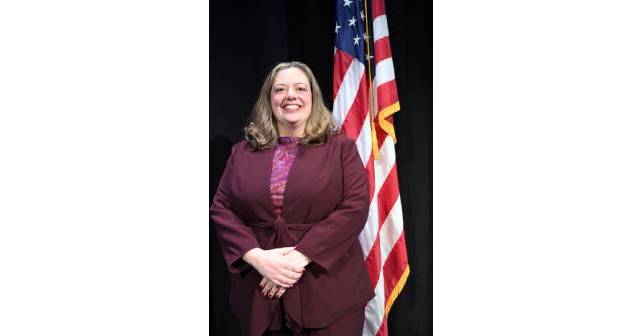
A Follow-Up Conversation with ACEP President Dr. Alison Haddock

By Cedric Dark, MD, MPH, FACEP | on August 30, 2025 | 0 Comment
Features
  • Tweet
  • Click to email a link to a friend (Opens in new window) Email
Print-Friendly Version

Twice a year, the ACEP Now Medical Editor-in-Chief speaks with the ACEP President. This conversation between Cedric Dark, MD, MPH, FACEP, and Alison J. Haddock, MD, FACEP, serves as a year-in-review as her presidency ends this month in Salt Lake City.

You Might Also Like
  • A Conversation with ACEP President Dr. Alison Haddock
  • The Private Equity Wave in Health Care
  • 2023 ACEP Elections Preview: Meet the President-Elect and Council Officer Candidates
Explore This Issue
ACEP Now: September 2025

Dr. Cedric Dark: You came into office on a platform of physician autonomy a year ago. What do you think has been your greatest single accomplishment on that front?

Dr. Alison Haddock: This is tricky because of the complexities of these issues. It’s hard to get a single thing done. You also need to take the opportunities that come to you as a leader. I would say that our biggest areas of progress are the ongoing activities of the work group focused on employer closure. That group has been looking at the fact that NES Health and American Physician Partners both happened and were highly detrimental to the individual emergency physicians working under those groups—whether they were employees or 1099s. We have a team evaluating what the College can do to help protect emergency physicians in similar situations in the future.

We know there will always be turnover in physician employers, so we are working on ways to ensure that no one is left without pay for shifts they’ve worked or without tail coverage. Tail coverage is especially high on my mind. We’ve explored what is needed in terms of state advocacy and state law to prevent these gaps, and how we can hold employers accountable when contracts specify tail coverage.

A broader conversation includes other autonomy-related issues like non-competes. I’m happy to see progress on non-competes both at the state level and with a federal ban being introduced. These contracts limit a physician’s ability to change employers, which is a loss of autonomy. Emergency physicians, whether in academic hospitals, private equity groups, or any other setting, should not be bound by non-competes. I’m proud of our progress in those areas, even if it’s incomplete. There is still much to be done.

Dr. Dark: One of the things I think some people are looking at to improve their autonomy has been unionization. Over the past couple of years, we’ve featured stories about emergency physician groups that went on strike, or residency programs that nearly did. We’ve also covered rules around unionization. I’m curious to hear your view on the pros and cons of unionization for emergency physicians.

Pages: 1 2 3 4 5 | Single Page

Topics: ACEP PresidentACGMEConsolidationcorporate medicineDr. Alison HaddockLegislation & Advocacynon-competePhysician Autonomyphysician unionPrivate EquityRuralWorkforce

Related

  • Why ABEM Publishing Certification Exam Pass Rate Data Could be a Good Thing

    November 12, 2025 - 4 Comments
  • Q&A with ACEP President L. Anthony Cirillo

    November 5, 2025 - 0 Comment
  • November 2025 News from the College

    November 4, 2025 - 0 Comment

Current Issue

ACEP Now: November 2025

Download PDF

Read More

No Responses to “A Follow-Up Conversation with ACEP President Dr. Alison Haddock”

Leave a Reply Cancel Reply

Your email address will not be published. Required fields are marked *


*
*


Wiley
  • Home
  • About Us
  • Contact Us
  • Privacy
  • Terms of Use
  • Advertise
  • Cookie Preferences
Copyright © 2025 by John Wiley & Sons, Inc. All rights reserved, including rights for text and data mining and training of artificial technologies or similar technologies. ISSN 2333-2603
