
ACEP Now: Native American physicians in Oklahoma are working to reverse some of the cultural, social, and health issues caused by years of marginalization. What are some of those challenges?
Explore This Issue
ACEP Now: Vol 43 – No 11 – November 2024DR. KENNEDYE: There’s a deep historical context to keep in mind. Native people have been here for about 25,000 years, but in the last few hundred years, we’ve been marginalized and pushed to the edges. My tribe, the Kiowa, were roaming free until about 1872, and we weren’t made citizens until 1924. That’s not ancient history; it was relatively recent, and the trauma from those events are still reverberating today. The damage wasn’t just physical; it was cultural. We were told we couldn’t speak our language, wear our traditional clothing, or practice our customs. That kind of deep cultural loss doesn’t go away in a generation or two. It’s still affecting our communities today, and you can see it in the social determinants of health: poverty, education gaps, and health care access.
I do public health and policy work, and we focus a lot on social determinants of health. It’s hard to address those in a busy emergency room, but it’s crucial because if you don’t, you’re just putting a Band-Aid on a much bigger issue.
ACEP Now: As leaders in your community, how do you recognize Native American Heritage Month?
DR. HALE: I celebrate Indigenous culture every day, whether it’s speaking my language, attending ceremonies, or even having conversations like this. But I’d like to see people stop celebrating Columbus Day. Celebrating what he did is an abomination.
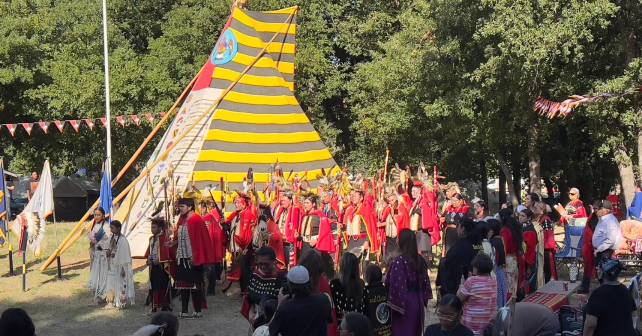
DR. KENNEDYE: I participate in the Black Leggings Ceremony every year. It’s one of the last remaining Native American warrior societies, and it’s been part of our tribe for centuries. We honor our veterans and our warriors. It’s a big cultural event with songs, dances, and ceremonies passed down through generations. It was banned twice in our history but revived by World War II veterans, and we’ve kept it going ever since. It’s a visual spectacle, and it’s about remembering our past and honoring our people. My brother is a documentary filmmaker, and we filmed the ceremony last year. It’ll air on PBS soon, so more people can see it.
DR. POSTOAK: I’m honored to learn from leaders like Dr. Hale and Dr. Kennedye. I also watch my dad, who’s in the Chickasaw Honor Society, and it reminds me of our warrior spirit. It’s a blessing to carry forward those traditions and continue growing in my heritage. Working alongside these two doctors, especially treating Native patients, is one of the most rewarding parts of my job.
Pages: 1 2 3 4 5 | Single Page

2 Responses to “A Chat with Native American Emergency Physicians”
November 24, 2024
Dr. WThank you for highlighting the important work these physicians are doing for a marginalized population. I hope that ACEP and the emergency medicine community can continue to advocate for and support them. Thank you to Drs. Hale, Kennedye, and Postoak for being leaders and serving their community, I admire greatly all that each of you are doing.
November 24, 2024
Niki ThranWhat warriors! Thanks ACEP Now for a great article and great edition.