Logo

Log In Sign Up |  An official publication of: American College of Emergency Physicians
Navigation
  • Home
  • Multimedia
    • Podcasts
    • Videos
  • Clinical
    • Airway Managment
    • Case Reports
    • Critical Care
    • Guidelines
    • Imaging & Ultrasound
    • Pain & Palliative Care
    • Pediatrics
    • Resuscitation
    • Trauma & Injury
  • Resource Centers
    • mTBI Resource Center
  • Career
    • Practice Management
      • Benchmarking
      • Reimbursement & Coding
      • Care Team
      • Legal
      • Operations
      • Quality & Safety
    • Awards
    • Certification
    • Compensation
    • Early Career
    • Education
    • Leadership
    • Profiles
    • Retirement
    • Work-Life Balance
  • Columns
    • ACEP4U
    • Airway
    • Benchmarking
    • Brief19
    • By the Numbers
    • Coding Wizard
    • EM Cases
    • End of the Rainbow
    • Equity Equation
    • FACEPs in the Crowd
    • Forensic Facts
    • From the College
    • Images in EM
    • Kids Korner
    • Medicolegal Mind
    • Opinion
      • Break Room
      • New Spin
      • Pro-Con
    • Pearls From EM Literature
    • Policy Rx
    • Practice Changers
    • Problem Solvers
    • Residency Spotlight
    • Resident Voice
    • Skeptics’ Guide to Emergency Medicine
    • Sound Advice
    • Special OPs
    • Toxicology Q&A
    • WorldTravelERs
  • Resources
    • ACEP.org
    • ACEP Knowledge Quiz
    • Issue Archives
    • CME Now
    • Annual Scientific Assembly
      • ACEP14
      • ACEP15
      • ACEP16
      • ACEP17
      • ACEP18
      • ACEP19
    • Annals of Emergency Medicine
    • JACEP Open
    • Emergency Medicine Foundation
  • About
    • Our Mission
    • Medical Editor in Chief
    • Editorial Advisory Board
    • Awards
    • Authors
    • Article Submission
    • Contact Us
    • Advertise
    • Subscribe
    • Privacy Policy
    • Copyright Information

A Chat with Native American Emergency Physicians

By ACEP Now | on November 6, 2024 | 2 Comments
Features
  • Tweet
  • Click to email a link to a friend (Opens in new window) Email
Print-Friendly Version

I quit my job, went to KU for undergrad, and then went to med school. I did my residency in the ER program at OU. From the beginning, I knew I wanted to be an ER physician. But, like Brandon, there weren’t many Native American doctors to look up to. We had one: Don Bowen, a Muskogee physician who worked for the tribe. I always admired him. He passed away when I was young, but he left a big impact on me. When I graduated from medical school, we honored him by giving his widow and daughter a beaded belt. It was our way of saying thank you for the example he set.

You Might Also Like
  • Emergency Physicians Compete on NBC TV’s American Ninja Warrior
  • Richard Shoemaker, MD, Among Emergency Physicians Who’ve Competed on American Ninja Warrior
  • African-American Physicians Land Emergency Medicine Leadership Roles
Explore This Issue
ACEP Now: Vol 43 – No 11 – November 2024

Editor’s Note: Adoniram (Don) Van Bowen, MD, was the first American Indian doctor to gradate from Harvard Medical School.
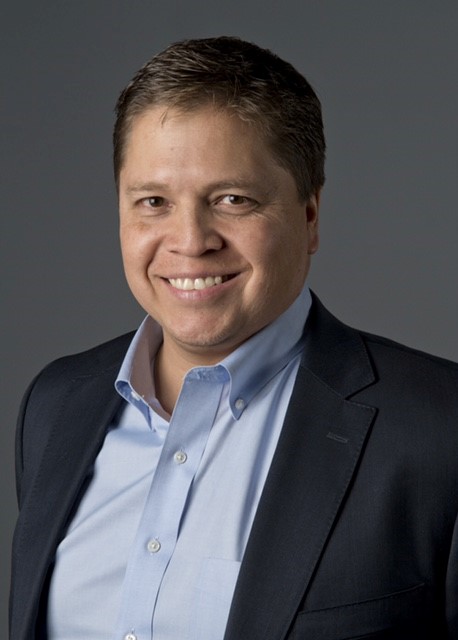
Dr. Kennedye

DR. KENNEDYE: Like a lot of Native kids, I didn’t have doctors or other professionals in my family to look up to. In my tribe, the Kiowa, we didn’t start sending people to college until the 1920s, and our first doctor didn’t come until the 1950s. By the 1970s, there were only a handful of college graduates. That’s a big difference from other groups that have generations of professionals to encourage them. Growing up without those role models, it’s easy for Native kids to feel lost, especially in reservation or rural areas where poverty and other issues are prevalent.

I didn’t grow up on a reservation, but I did grow up in a poor area, and my parents didn’t go to college. I was good at math and science, but I didn’t think I was “doctor smart.” I wanted to be a Navy pilot at first, but life happened. I had a kid, and my plans changed. I joined the Navy. It took me two years into college before I realized I wanted to be a doctor. I had a mentor from my tribe, Dr. Everett Rhodes, the first Native American director of the Indian Health Service. He helped me learn about pioneers like Charles Eastman, the first male Native American physician, and he gave me the confidence to pursue medicine.
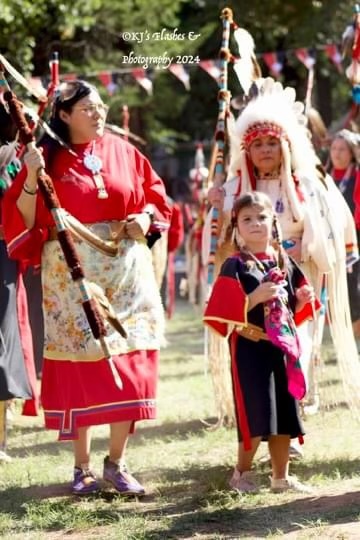
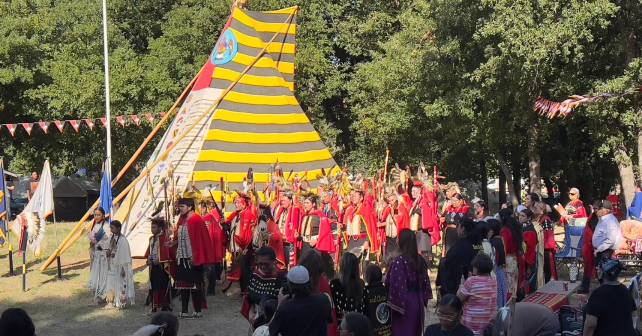
Jennifer Turner (left), Welana Queton, and Ivy Kennedye, the 8-year-old daughter of Oklahoma ACEP Chapter President James Kennedye, are shown at the 2024 Kiowa Black Leggings (Ton Kon Gyat) Ceremonial on

Oct. 12–13 in Anadarko, Okla. More than 200 years old, this event honors those who currently serve or have served in the military. (Photos KJ’S Flashed and Photography. Click to enlarge.)

Pages: 1 2 3 4 5 | Single Page

Topics: native American doctorsnative American physicians

Current Issue

ACEP Now: November 2025

Download PDF

Read More

2 Responses to “A Chat with Native American Emergency Physicians”

  1. November 24, 2024

    Dr. W Reply

    Thank you for highlighting the important work these physicians are doing for a marginalized population. I hope that ACEP and the emergency medicine community can continue to advocate for and support them. Thank you to Drs. Hale, Kennedye, and Postoak for being leaders and serving their community, I admire greatly all that each of you are doing.

  2. November 24, 2024

    Niki Thran Reply

    What warriors! Thanks ACEP Now for a great article and great edition.

Leave a Reply Cancel Reply

Your email address will not be published. Required fields are marked *


*
*


Wiley
  • Home
  • About Us
  • Contact Us
  • Privacy
  • Terms of Use
  • Advertise
  • Cookie Preferences
Copyright © 2025 by John Wiley & Sons, Inc. All rights reserved, including rights for text and data mining and training of artificial technologies or similar technologies. ISSN 2333-2603