Logo

Log In Sign Up |  An official publication of: American College of Emergency Physicians
Navigation
  • Home
  • Multimedia
    • Podcasts
    • Videos
  • Clinical
    • Airway Managment
    • Case Reports
    • Critical Care
    • Guidelines
    • Imaging & Ultrasound
    • Pain & Palliative Care
    • Pediatrics
    • Resuscitation
    • Trauma & Injury
  • Resource Centers
    • mTBI Resource Center
  • Career
    • Practice Management
      • Benchmarking
      • Reimbursement & Coding
      • Care Team
      • Legal
      • Operations
      • Quality & Safety
    • Awards
    • Certification
    • Compensation
    • Early Career
    • Education
    • Leadership
    • Profiles
    • Retirement
    • Work-Life Balance
  • Columns
    • ACEP4U
    • Airway
    • Benchmarking
    • Brief19
    • By the Numbers
    • Coding Wizard
    • EM Cases
    • End of the Rainbow
    • Equity Equation
    • FACEPs in the Crowd
    • Forensic Facts
    • From the College
    • Images in EM
    • Kids Korner
    • Medicolegal Mind
    • Opinion
      • Break Room
      • New Spin
      • Pro-Con
    • Pearls From EM Literature
    • Policy Rx
    • Practice Changers
    • Problem Solvers
    • Residency Spotlight
    • Resident Voice
    • Skeptics’ Guide to Emergency Medicine
    • Sound Advice
    • Special OPs
    • Toxicology Q&A
    • WorldTravelERs
  • Resources
    • ACEP.org
    • ACEP Knowledge Quiz
    • Issue Archives
    • CME Now
    • Annual Scientific Assembly
      • ACEP14
      • ACEP15
      • ACEP16
      • ACEP17
      • ACEP18
      • ACEP19
    • Annals of Emergency Medicine
    • JACEP Open
    • Emergency Medicine Foundation
  • About
    • Our Mission
    • Medical Editor in Chief
    • Editorial Advisory Board
    • Awards
    • Authors
    • Article Submission
    • Contact Us
    • Advertise
    • Subscribe
    • Privacy Policy
    • Copyright Information

4-Step Approach to Treating Alcohol Withdrawal

By Anton Helman, MD, CCFP(EM), FCFP | on September 19, 2018 | 0 Comment
EM Cases
  • Tweet
  • Click to email a link to a friend (Opens in new window) Email
Print-Friendly Version
4-Step Approach to Treating Alcohol Withdrawal
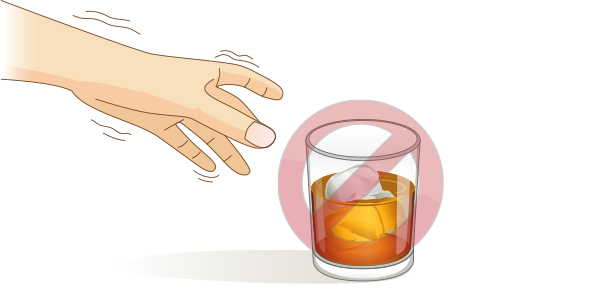
ILLUSTRATION: shutterstock.com

Even though more than half a million patients are seen in U.S. emergency departments for alcohol withdrawal each year, this seemingly straightforward diagnosis is missed more often than we may believe.1 Even when it is picked up, it is often mismanaged. Why?

You Might Also Like
  • Alcohol Withdrawal Treatment: Bring Back Phenobarbital?
  • A 5-Step Approach to the Agitated Patient
  • A 3-Step Approach for Infants with Congenital Heart Disease
Explore This Issue
ACEP Now: Vol 37 – No 09 – September 2018

We sometimes don’t suspect it in the first place. For example, we may not think about alcohol withdrawal in the older patient who presents with delirium.2 Second, the differential diagnosis is enormous, and the presentation overlaps with other common ED diagnoses such as sympathomimetic drug intoxication and sepsis. There is no lab test to rule in the diagnosis, and we sometimes get sidetracked by other concurrent medical, psychiatric, and traumatic issues.

Mismanagement of these patients may stem from a lack of ED training on this topic and be due to little standardization in management. There is, unfortunately, still a stigma associated with alcoholism, which may contribute to indifference to these patients by ED staff, and the medications used to treat alcohol withdrawal are often dosed incorrectly.3 Mismanaged alcohol withdrawal can be fatal, and untreated severe withdrawal often ends up with your patient seizing and sometimes progressing to delirium tremens.4

Management of Alcohol Withdrawal Involves Four Steps

First, accurate diagnosis based on clinical features is paramount. Next, the use of a standardized, symptom-guided tool to assess symptom severity and guide treatment is important. Third, ensure that patients are fully treated prior to ED discharge, and fourth, provide a pathway to support for patients who are trying to quit.

1. Tremor is central to the diagnosis of alcohol withdrawal.

The diagnosis of alcohol withdrawal should be thought of as a clinical diagnosis of exclusion after infection, other toxidromes (ie, sympathomimetics, anticholinergics, toxic alcohols), serotonin syndrome, neuroleptic malignant syndrome, hypertensive crisis, acute pain, and thyrotoxicosis have been considered. There must be clear evidence of recent cessation or reduction of alcohol after high-dose regular use. Symptoms from alcohol withdrawal usually start within six to eight hours after the blood alcohol level decreases, peak at 72 hours, and diminish by days five to seven of abstinence. Delirium tremens can occur anytime from three to 12 days after abstinence.

The tremor of alcohol withdrawal is central to the diagnosis. It is important to understand the three key features of alcohol withdrawal tremor. It is an intention tremor (there is no tremor at rest, but when you ask the patient to extend their hands or arms, you will see a fine motor tremor) that is constant and does not fatigue with time. Other symptoms associated with alcohol withdrawal include gastrointestinal upset, anxiety, nausea/vomiting, diaphoresis, tachycardia, hypertension, and headache. If malingering is suspected, ask the patient to protrude their tongue. A tongue tremor is impossible to feign and is thought to be a more sensitive sign of alcohol withdrawal than hand tremor.

Pages: 1 2 3 4 | Single Page

Topics: alcohol withdrawalBenzodiazepinesCounselingdiazepamphenobarbital

Related

  • Tips for Managing Active Seizures in the Emergency Department

    July 21, 2020 - 0 Comment
  • 2019 Research Highlights: Seizures, Pulmonary Embolism, Cardiac Arrest, and Sepsis

    February 18, 2020 - 0 Comment
  • New ACEP Member Benefit Offers Legal Assistance, Free Counseling

    December 20, 2019 - 0 Comment

Current Issue

ACEP Now: November 2025

Download PDF

Read More

About the Author

Anton Helman, MD, CCFP(EM), FCFP

Dr. Helman is an emergency physician at North York General Hospital in Toronto. He is an assistant professor at the University of Toronto, Division of Emergency Medicine, and the education innovation lead at the Schwartz/Reisman Emergency Medicine Institute. He is the founder and host of Emergency Medicine Cases podcast and website (www.emergencymedicinecases.com).

View this author's posts »

No Responses to “4-Step Approach to Treating Alcohol Withdrawal”

Leave a Reply Cancel Reply

Your email address will not be published. Required fields are marked *


*
*


Wiley
  • Home
  • About Us
  • Contact Us
  • Privacy
  • Terms of Use
  • Advertise
  • Cookie Preferences
Copyright © 2025 by John Wiley & Sons, Inc. All rights reserved, including rights for text and data mining and training of artificial technologies or similar technologies. ISSN 2333-2603