


The problem is also acute for ED nurses, who typically spend more time with each patient. In a 2024 survey of 999 nurses conducted by the Emergency Nurses Association (ENA), 20 percent reported experiencing physical violence within the previous two weeks, while more than half were subjected to verbal abuse, including insults and threats of violence. “I’ve had colleagues and team members that have been assaulted so bad that they could no longer practice as a nurse or required hospitalization,” said Jonathan Nover, MBA, RN, who worked as an ED nurse for two decades before assuming a leadership position at a New York City health system.

Dustin Bass
“It becomes this world where you have to be aware of your surroundings constantly,” said Dustin Bass, DNP, MHA, RN, president of the ENA and vice president of System Emergency Services at ECU Health in Greenville, North Carolina. That means always anticipating the potential for agitation or violence. One demand in the month-long nursing strike in New York City, in fact, was better protection against workplace violence. “I think it’s becoming harder and harder for a hospital or health system that didn’t want to address this to be able to continue to not address it,” said Jeffrey Rabrich, MD, president of New York ACEP and an emergency physician in the Hudson Valley. “It’s at the forefront of everyone’s mind now.”

Dr. Rabrich
In its April 2025 research report, “Strategies for Sustaining Emergency Care in the United States,” the Santa Monica, California-based RAND Corporation — with support from the Emergency Medicine Policy Institute — found that the rise in violence from patients and family members is “pervasive” and a major contributor to ED staff attrition.1 “Increases in demand and insufficient capacity can lead to ED crowding, boarding, longer wait times, and sometimes violence toward ED staff. These factors can also compromise the quality of care and can lead to burnout, moral injury—negative psychological, social, and spiritual effects—and attrition among emergency care health workers,” the report states.
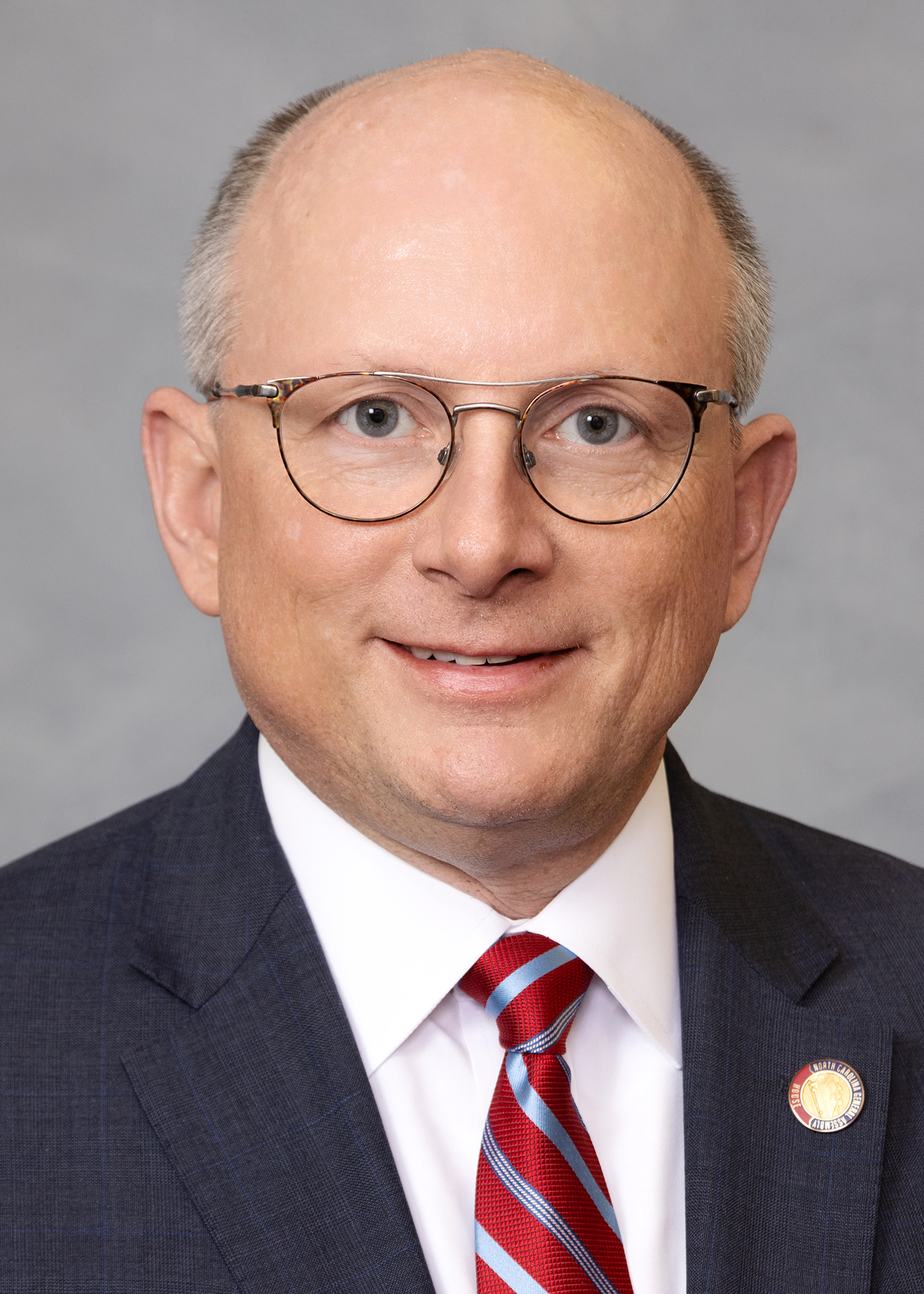
Dr. Reeder
North Carolina State Rep. Timothy Reeder, MD, (R-Ayden), an associate professor of emergency medicine at East Carolina University in Greenville and ACEP member, said violence can contribute to both poorer patient care and job satisfaction. “It diverts our attention from the patients that we’re taking care of, not just the one who might be angry, but everybody else,” he said. “One of the big predictors of burnout is loss of control and if you’re unsafe in the environment, I believe that certainly contributes.”


2 Responses to “Workplace Violence in the ED: In Search of Lasting Solutions”
March 8, 2026
ThomasIt is the responsiility of the hospital to provide a safe working environment for the professional staff. Hopsital CEO’s have records on the number of assaults monthly, which of those assaults end in surgery, and how many staff members quit due to that environment. Hospitals establish rules that result in termination action for staff in self-defense. Hospital leaderhip decides the limits on security intervention and under what circumstance security can go hands on. Hospital administration produces the “duck and cover” response to aremed violence. Yes, PD is responsible for the “tag you’re it” response to dumping unattended violence in the ER, but hospitals can say “No” to unattended “detained, but not arreted” patients. How does the rest of society hold people accountable?
March 9, 2026
StephenInteresting that you didn’t address the violence in the ED precipitated by other specialists ( neurosurgeons, gynecologists, etc) coming into the ED and threatening the ED physician verbally and physically if you don’t do or say what they tell you. And administration never backs or protects the ED physician because it’s easier for administrators to ask for your resignation or tell your”contract employer” to fire you. The latter happened to me in the late 1970’s and was done to me by a “fellow emergency physician” and fellow ACEP member who later became an ACEP national president.