Logo

Log In Sign Up |  An official publication of: American College of Emergency Physicians
Navigation
  • Home
  • Multimedia
    • Podcasts
    • Videos
  • Clinical
    • Airway Managment
    • Case Reports
    • Critical Care
    • Guidelines
    • Imaging & Ultrasound
    • Pain & Palliative Care
    • Pediatrics
    • Resuscitation
    • Trauma & Injury
  • Career
    • Practice Management
      • Reimbursement & Coding
      • Legal
      • Operations
    • Awards
    • Certification
    • Early Career
    • Education
    • Leadership
    • Profiles
    • Retirement
    • Work-Life Balance
  • Compensation Reports
  • Columns
    • ACEP4U
    • Airway
    • Benchmarking
    • By the Numbers
    • EM Cases
    • End of the Rainbow
    • Equity Equation
    • FACEPs in the Crowd
    • Forensic Facts
    • From the College
    • Kids Korner
    • Medicolegal Mind
    • Opinion
      • Break Room
      • New Spin
      • Pro-Con
    • Pearls From EM Literature
    • Policy Rx
    • Practice Changers
    • Problem Solvers
    • Residency Spotlight
    • Resident Voice
    • Skeptics’ Guide to Emergency Medicine
    • Sound Advice
    • Special OPs
    • Toxicology Q&A
    • WorldTravelERs
  • Resources
    • mTBI Resource Center
    • ACEP.org
    • ACEP Knowledge Quiz
    • CME Now
    • Annual Scientific Assembly
      • ACEP14
      • ACEP15
      • ACEP16
      • ACEP17
      • ACEP18
      • ACEP19
    • Annals of Emergency Medicine
    • JACEP Open
    • Emergency Medicine Foundation
  • Issue Archives
  • Archives
    • Brief19
    • Coding Wizard
    • Images in EM
    • Care Team
    • Quality & Safety
  • About
    • Our Mission
    • Medical Editor in Chief
    • Editorial Advisory Board
    • Awards
    • Authors
    • Article Submission
    • Contact Us
    • Advertise
    • Subscribe
    • Privacy Policy
    • Copyright Information

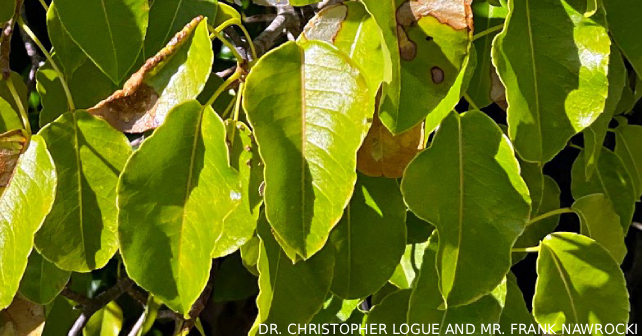
Toxicology Answer: the Manchineel Tree

By Jason B. Hack, MD | on March 9, 2026 | 0 Comment
Toxicology Q&A
Share:  Print-Friendly Version

Results of Exposure

Skin: Intense burning and itching begins within minutes of contact. The extent of subsequent injuries varies from “red swaths with pustulation” to bullous dermatitis.5 Because thickness of the skin (calluses) can delay onset of symptoms, asymptomatic sap-contaminated hands can transmit the latex to other sensitive areas; Bodeau reported two men having “…severe burning pain of the penis, [followed by] … total sphacelation of the skin and mucous membrane of the preputial sac … [followed later by] … desquamation in shreds of the mucous membrane of the glans penis.” This can last for weeks.1

You Might Also Like
  • Night Shift Is an Occupational Exposure. Treat It Like One
Explore This Issue
ACEP Now: March 2026

Eyes: Immediate symptoms of lacrimation and burning pain with conjunctival irritation and lid swelling occur with transfer from hands or sweat tainted with the sap. More severe toxicity occurs with direct ocular exposure resulting in keratoconjunctivitis through direct epithelial cytotoxicity. A review article followed 19 patients with ocular injuries; 14 had both eyes affected; with corneal damage seen in most — varying from large corneal epithelial defects to superficial punctate keratitis. Most eye injuries healed completely, with only one exposure causing persistent corneal opacity.8

Aerodigestive tract: Eating the small, round, sweet-smelling green fruits is associated with severe GI effects, mucosal blistering, pharyngeal edema (requiring intubation or tracheostomy), vomiting, abdominal pain, diarrhea, and death.

Cardiovascular: Hypotension has been documented in animal models of exposure and bradycardia lasting up to 10 days from exposure has been documented, with one patient requiring a pacemaker.3, 7

Prevention

Key to prevention is broad public awareness campaigns primarily targeted at people unfamiliar with the tree (e.g., tourists) — warning signs, fences, and literature.

Treatment

The opportunity to limit toxicity is immediately after contact to shorten the time of exposure as much as possible. The most effective acute treatment is copious irrigation with soap and water or seawater if freshwater is unavailable.

Antidote: There are no known antidotes.

Historical Interest

The sap of this tree has been used to poison hunting and war darts and arrows, and the leaves were used to poison the water supply of enemies. Used as a form of torture; with victims tied to the tree. Explorer Christopher Columbus reportedly named it the “manzanilla de la muerte” (“little apple of death”) after several of his hungry sailors suffered severe symptoms after tasting the fruits.


Dr. HackDr. Hack is chief of the division of medical toxicology and vice chair for research at East Carolina University in Greenville, N.C.

Pages: 1 2 3 | Single Page

Topics: Manchineel treePoisonToxin

Related

  • Toxicology Question: What’s Pretty on the Hillside, Not on the Plate?

    September 3, 2026 - 0 Comment
  • Toxicology Answer: Daffodil Bulbs

    September 3, 2026 - 0 Comment
  • Toxicology Question: Which Tree Has Bark as Bad as Its Bite?

    March 9, 2026 - 0 Comment

Current Issue

ACEP NOW: October 2026 (Digital)

Read More

No Responses to “Toxicology Answer: the Manchineel Tree”

Leave a Reply Cancel Reply

Your email address will not be published. Required fields are marked *


*
*


Wiley
  • Home
  • About Us
  • Contact Us
  • Privacy
  • Terms of Use
  • Advertise
  • Cookie Preferences
Copyright © 2026 by John Wiley & Sons, Inc. All rights reserved, including rights for text and data mining and training of artificial technologies or similar technologies. ISSN 2333-2603